

Commercial Dishwasher Buying Guide
Learn how to compare commercial dishwasher types using peak washing demand, dish and utensil mix, rack requirements, utilities and site conditions.
SourcePro Editorial Team
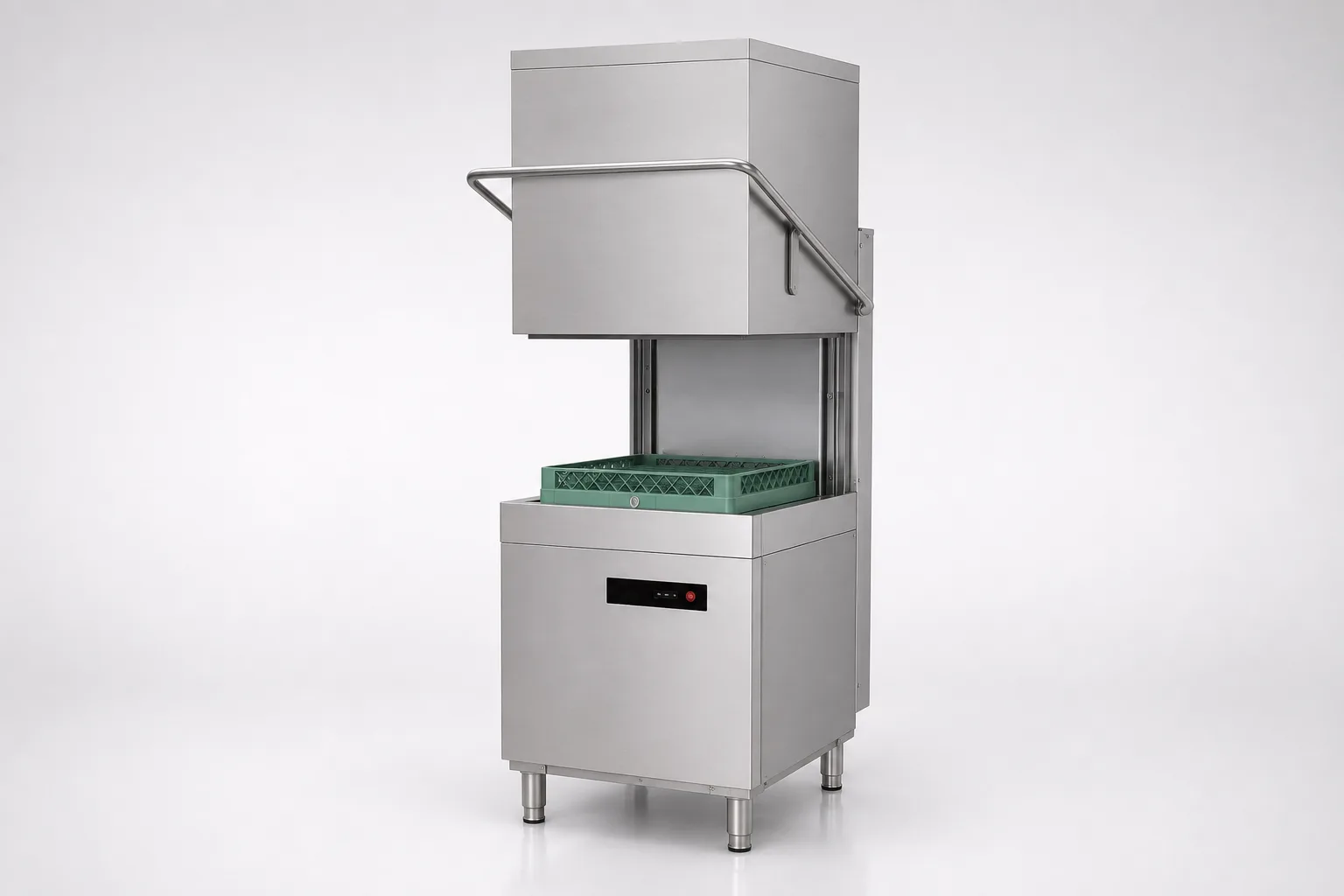
Choosing a commercial dishwasher requires more than comparing purchase prices or headline rack capacities. The right machine must suit the way the kitchen operates: what needs to be washed, how quickly clean items must return to service, which utilities are available, and whether the equipment can be installed and maintained in the available space. A machine that appears suitable on a specification sheet may create operational problems if it does not match peak demand, rack handling, machine direction or site connections. Buyers should prepare an operating brief and confirm final requirements against the selected supplier's technical data. This guide explains the main questions to review when selecting a dishwasher; it does not replace a complete dishwashing-area workflow plan.
1. Start With the Operation, Not the Machine
Begin by defining the operation. A restaurant, hotel, cafe, bakery, staff canteen, central kitchen and catering facility may handle very different combinations of tableware, preparation utensils and peak service pressure. A cafe may wash frequent batches of cups and light tableware, while a restaurant may need plates and bowls returned during concentrated meal periods. A hotel may combine restaurant, banquet and room-service demand. Bakeries and central kitchens may also process trays, containers or larger utensils.
Total daily volume is useful, but peak demand is usually more important for selection. Identify the busiest washing window, the items arriving during that period and how quickly they must be reused. This operating profile provides a better basis for comparing machine types than a broad daily average.
2. Understand the Main Commercial Dishwasher Types
These descriptions are general guidance, not fixed performance classifications. Machines of the same general type can have different rack formats, cycles, connected loads and installation requirements. Compare final options using the supplier's current technical sheet for the exact model.
3. Estimate Peak Washing Demand
Base selection on the busiest realistic operating period rather than an unsupported daily average. Prepare the following information:
- Covers or meals served during the peak period
- Estimated racks required during that period
- Duration of the peak washing window
- Frequency with which plates, trays or cups must return to service
- Separate demand from banquets, bars, preparation areas or staff dining
- Expected operational growth or changes in service format
Avoid relying on a precise capacity formula unless its assumptions are verified. Rack loading varies with plate diameter, bowl depth, tray size, spacing and staff practice. Pre-rinsing and the selected wash cycle may also affect practical flow. Give the supplier a credible demand range and representative item list so it can be checked against confirmed model data.
4. Review the Dish and Utensil Mix
Prepare a list of the main items the operation expects to process:
- Plates, side plates and bowls
- Cups, mugs and glasses
- Serving trays and food containers
- Cutlery
- Pots and pans
- Preparation tools and kitchen utensils
Different items may need different racks, spacing, spray conditions or separate cleaning arrangements. A plate rack should not automatically be assumed to suit cups, trays or utensils. Large cookware may require a separate pot-washing process. Where glassware, heavily soiled items or unusual trays are involved, provide dimensions, photographs and expected quantities so the supplier can review rack and machine suitability.
5. Confirm Rack Size and Loading Method
Rack dimensions and loading practices affect machine compatibility and operating flow. Confirm:
- Rack dimensions specified for the selected machine
- Available racks for plates, cups, cutlery or trays
- The number and type of racks included in the quotation
- Loading and unloading direction
- How staff will lift, push or transfer racks
- Where empty and loaded racks will wait temporarily
- Whether a trolley is needed for internal rack movement
Do not assume racks are universal between brands or models. Confirm compatibility against the selected machine. Direction also matters: hood-type equipment may support left-to-right or right-to-left handling depending on its configuration, adjacent equipment and the project. State the required direction before interfaces are finalized.
6. Check Water, Drainage and Electrical Requirements
Utilities can determine whether a machine is suitable for the site. Obtain the requirements for the exact proposed model and compare them with verified site conditions. Review:
- Water inlet size, connection location, required pressure and inlet temperature
- Drainage point and discharge requirements
- Voltage, frequency, phase and total connected electrical load
- Ventilation, heat and steam conditions
- Chemical dosing connections where applicable
No utility value should be assumed from a generic machine category. Electrical, plumbing and ventilation work should be reviewed by appropriately qualified local professionals. Confirm any certification or regulatory documentation needed for the destination country before ordering.
7. Check Site and Installation Compatibility
Record available installation dimensions and access conditions. Confirm:
- Maximum available width, depth and height
- Doorways and access routes for delivery
- Operating, aisle and service clearances
- Required machine direction
- Wall and floor conditions
- Water, electrical and drainage connection locations
- Drainage access and relevant floor conditions
- Access to service panels and removable components
A machine may fit the nominal position yet remain difficult to deliver, connect or maintain. Drawings should show both the footprint and required access. Site photographs and marked-up plans are particularly useful where existing utility points cannot easily be relocated.
8. Match the Machine With Pre-Rinse and Inlet-Side Equipment
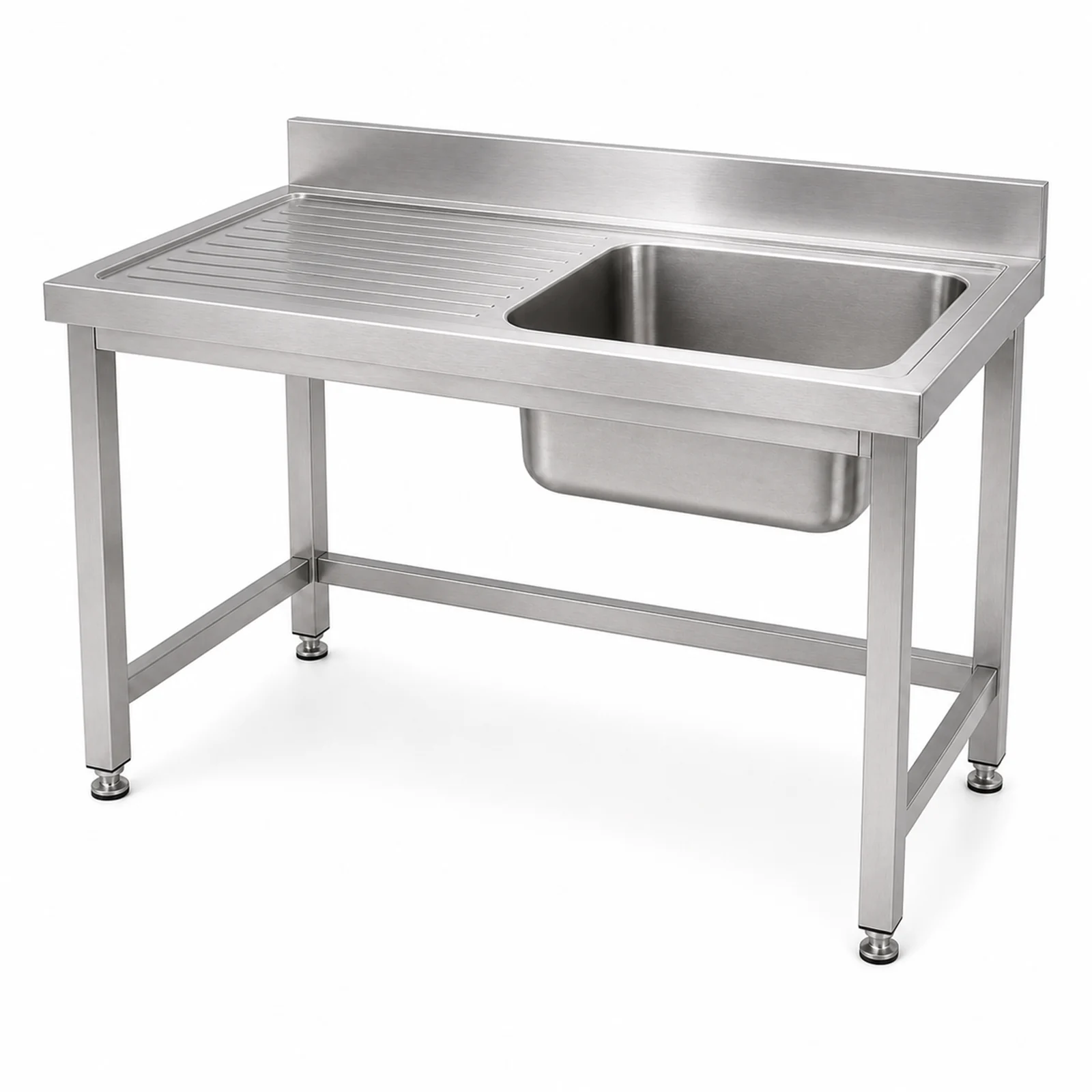
Review the dishwasher with the equipment immediately supporting its inlet side. Depending on the operation, this may include sorting, pre-rinse equipment, a stainless steel sink unit for pre-rinse and other wet-area handling tasks, and a commercial dishwasher inlet table providing a working surface between pre-rinse handling and a rack-based machine.
Dimensions, working height, loading direction and the machine-side interface must be checked for the selected equipment. Machine and table compatibility is not universal. Connection edges, rack guidance and left-to-right or right-to-left operation remain subject to project confirmation. The complete dirty-to-clean sequence, room zoning and staff movement should be reviewed separately as part of the overall dishwashing workflow plan. For a wider view of dirty return, pre-rinse, machine direction and clean-side handling, see how to plan the complete commercial dishwashing area workflow.
9. Consider Cleaning, Maintenance and Service Access
Review routine cleaning and service access before purchase. Ask how operators will reach filters, strainers, spray arms, internal tanks, chemical systems, drain components and items identified for regular inspection. Service panels and removable parts must remain accessible after installation.
Request operating manuals, parts information and available technical-support details for the proposed machine. Installation, commissioning, warranty and after-sales responsibilities should be documented in the commercial offer. SourcePro may assist with sourcing coordination and requirement review, but service coverage for a specific machine or destination must be confirmed with the responsible supplier and service provider.
10. Prepare the Right Information Before Requesting a Quotation
A useful quotation request should include:
- Operation type and peak meals or covers
- Estimated peak rack demand and washing-window duration
- Dish, tray, glass and utensil mix
- Preferred machine type, if already identified
- Available space and required loading direction
- Site voltage, frequency and phase
- Available water and drainage information
- Destination country and required compliance documents
- Required sinks, inlet tables, outlet-side equipment or trolleys
- Layout drawings, utility drawings or site photographs
For a restaurant, review the dishwasher within the wider restaurant kitchen solution. Hotel teams can use the hotel kitchen solution to frame requirements from restaurant service, banqueting and other operating areas. Clear information makes assumptions easier to identify and proposals easier to compare before ordering.
When comparing quotations, check that each proposal uses the same operating assumptions and includes the required racks, connections and supporting equipment. A lower equipment price is not directly comparable if essential accessories, documentation or destination requirements are excluded. Record clarifications in writing before approving the final configuration.
11. Final Selection Checklist
Conclusion
Select a commercial dishwasher from verified operating and project requirements, not machine type or headline capacity alone. Start with peak demand and the actual item mix, then confirm racks, utilities, direction, installation space and maintenance access against the proposed model. Supporting sinks and inlet tables should be reviewed for machine compatibility, while full room workflow is planned separately. Final specifications, interfaces, compliance and service arrangements remain subject to confirmation for the selected supplier, destination and site.
Discuss Your Dishwasher Requirements
Share your operation type, peak washing demand, item mix, available space, utilities and preferred machine direction. SourcePro can use this information to support a project-based equipment sourcing discussion without assuming an unverified standard configuration.
Continue Reading
Related Buyer Guides
Continue with guides selected by equipment topic, kitchen application, and related sourcing questions.
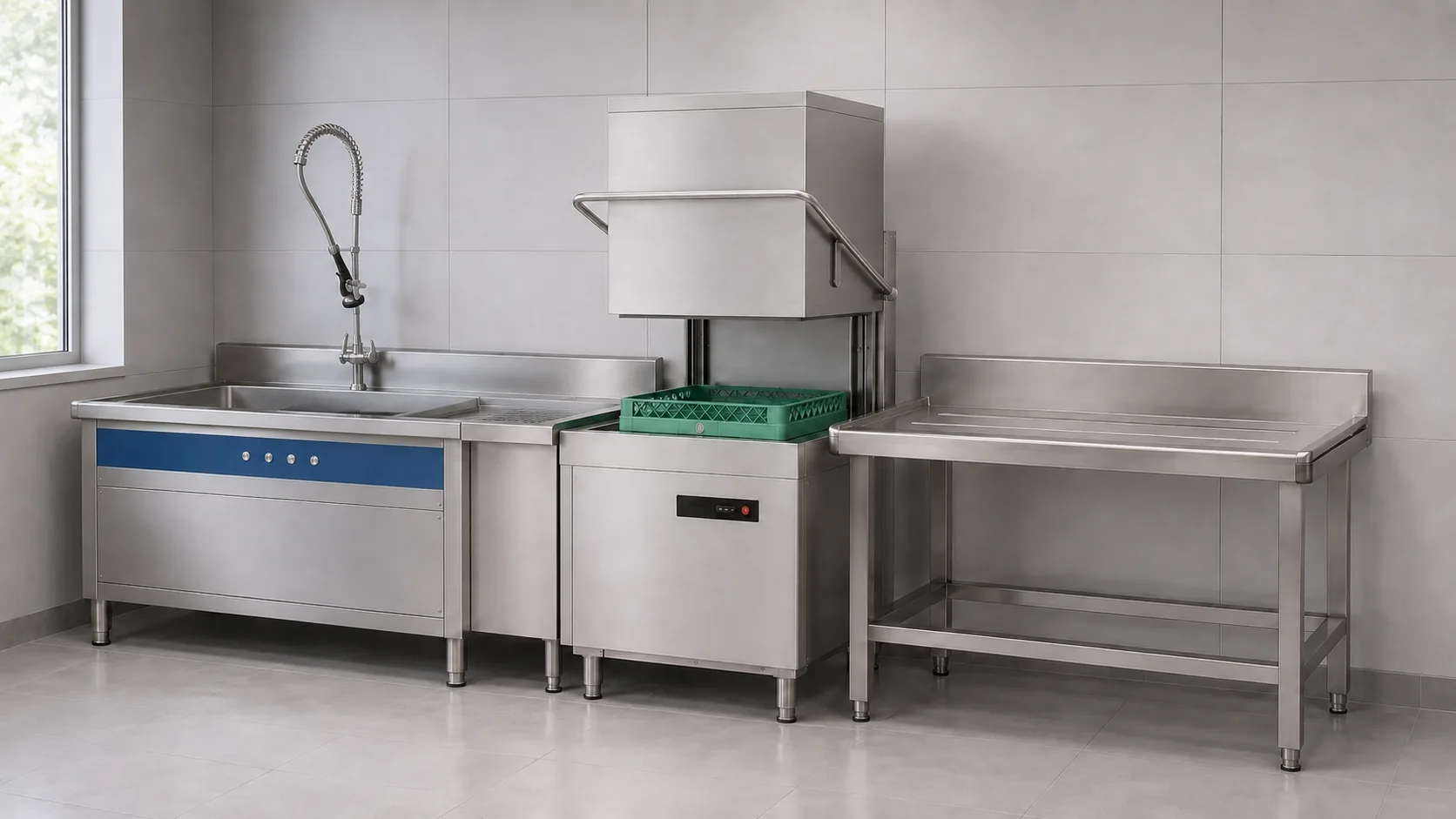
How to Plan a Commercial Dishwashing Area for an Efficient Kitchen Workflow
Plan a commercial dishwashing area around dirty return, sorting, pre-rinse, inlet-side handling, machine direction, clean-side exit and rack movement.
Read Article
Commercial Refrigerator Buying Guide for Restaurants and Hotels
Understand commercial refrigeration formats, temperature requirements, placement, voltage, and workflow considerations for restaurants and hotels.
Read Article
Under Counter Refrigerator vs Upright Refrigerator: How to Choose?
Compare under counter and upright refrigeration for commercial kitchens based on workflow, storage volume, space, and access needs.
Read ArticleRelated Products
Product Pages Mentioned in This Topic
Stainless Steel Equipment
Stainless Steel Sink Unit
Made-to-order stainless steel sink unit for commercial kitchen washing and preparation areas.
View Details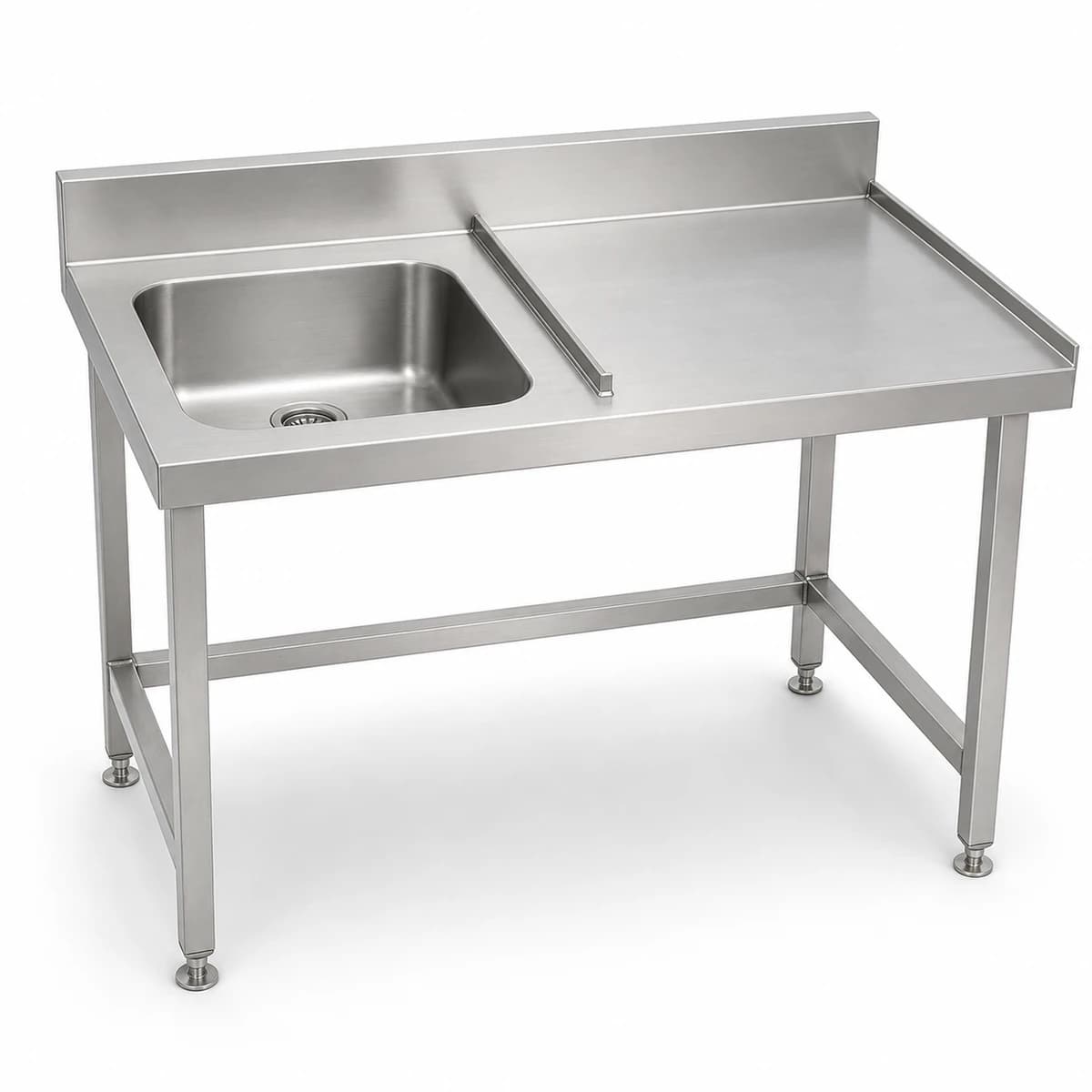
Stainless Steel Equipment
Stainless Steel Dishwasher Inlet Table
A made-to-order stainless steel inlet table for commercial dishwashing workflows, combining a left-side pre-rinse sink, right-side rack landing area and project-specific dishwasher connection.
View DetailsRelated Solutions
Solution Pages Connected to This Article
Commercial Kitchen Solution
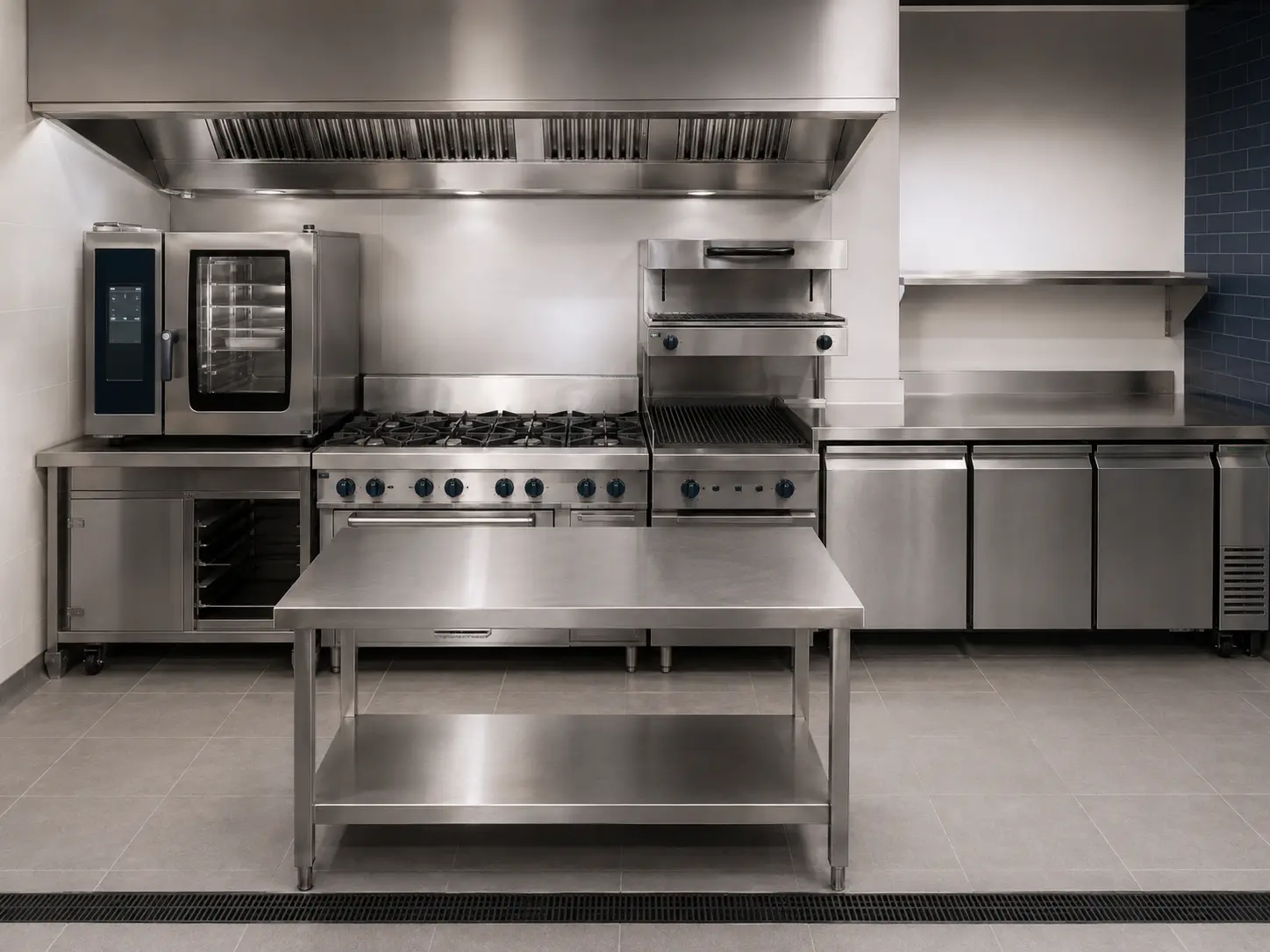
Restaurant Kitchen Solution
Equipment sourcing and configuration support for restaurants, cafes, and fast food kitchens.
Commercial Kitchen Solution
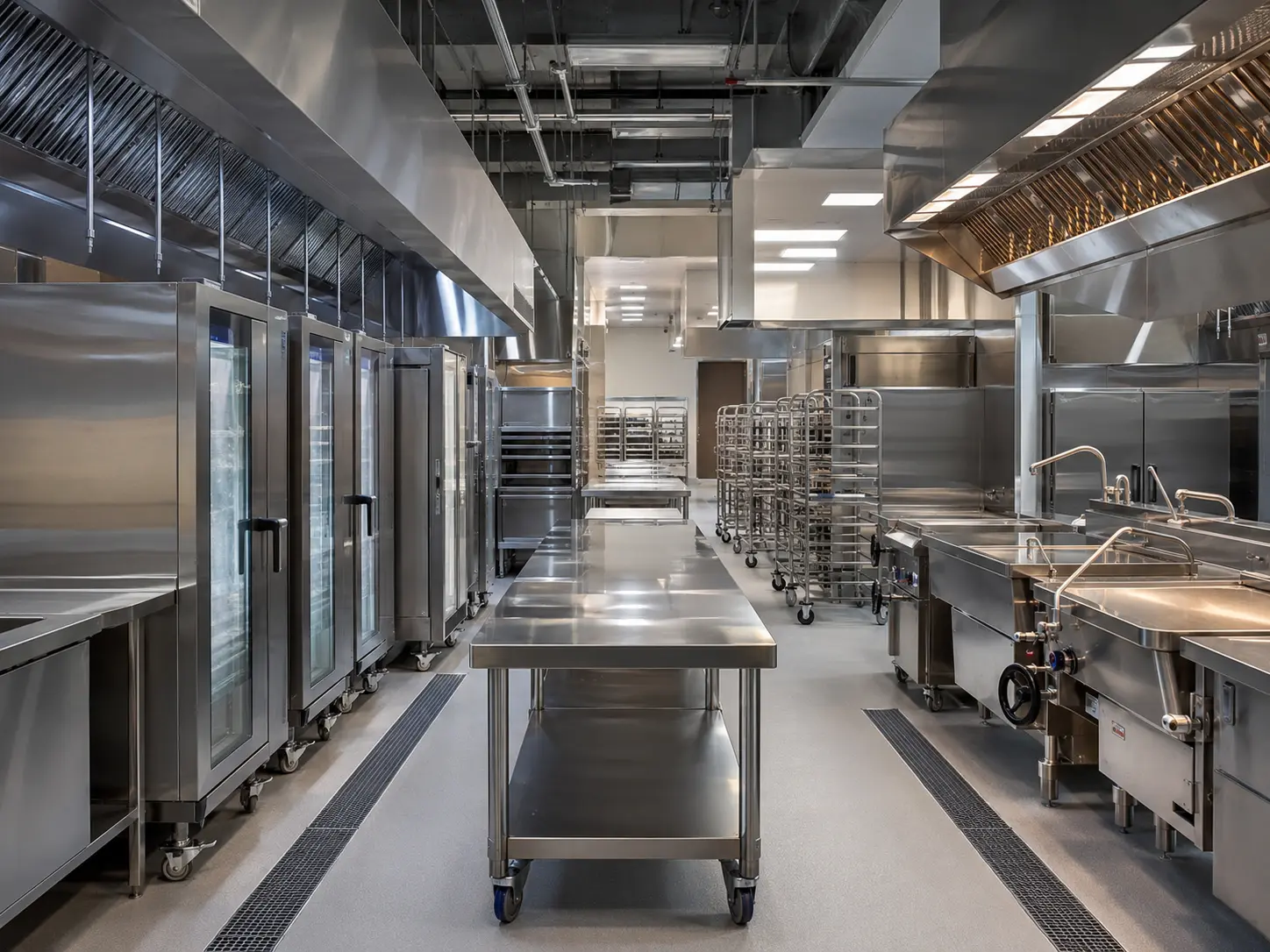
Hotel Kitchen Solution
Commercial kitchen equipment sourcing support for hotels, resorts, and banquet kitchen operations.
FAQ
Common Questions
What type of commercial dishwasher is suitable for a restaurant?
The choice depends on peak washing demand, dish and utensil mix, available space, utilities and staff handling. Undercounter, hood-type and conveyor machines generally support different operating scales, but suitability must be confirmed using the technical data of a specific model.
How should peak washing demand be estimated?
Record the covers or meals served during the busiest period, the duration of that period, the likely number of racks and how quickly tableware must return to service. Include demand from bars, banquets or preparation areas where relevant.
What utilities are required for a commercial dishwasher?
Requirements may include a specified water inlet, water pressure and temperature, drainage, voltage, frequency, phase and connected load. Heat, steam, ventilation and chemical connections may also require review. Exact requirements depend on the selected machine.
How do I confirm the correct machine direction?
Review how racks or items will approach and leave the machine, then confirm whether operation should be left-to-right or right-to-left. Coordinate that direction with the machine configuration, inlet-side equipment, available space and utility locations.
Does a dishwasher need an inlet table and pre-rinse sink?
Some rack-based operations are planned with pre-rinse and inlet-side equipment, but the required arrangement depends on the machine and operating process. Sink size, table height, connection edge and machine-side compatibility must be confirmed for the project.
What information is needed for a commercial dishwasher quotation?
Provide the operation type, peak demand, item mix, rack requirements, available space, machine direction, voltage and phase, water and drainage information, destination country and required supporting equipment. Drawings and site photographs can help identify constraints.
Equipment Support
Need help selecting commercial kitchen equipment?
Share your kitchen type, product list, material or voltage requirements, destination country, and sourcing questions. SourcePro will review your inquiry and help organize suitable equipment directions.
Request a Quote