

Product Detail
Commercial Dough Divider
Select a standalone dough divider around the dough, batch weight, target piece weight, divisions per cycle, pressure, tolerance and downstream workflow.
Overview
Product Overview
This family covers hydraulic batch dividers that press and divide a dough batch into equal portions before separate rounding or moulding. Round- or square-bowl and alternative division-count configurations remain within one canonical family. The existing Commercial Dough Divider & Rounder remains separate because it adds a rounding cycle and different head workflow. Continuous volumetric dividers are also held separately. Final batch basis, weight range, cycle, tolerance, pressure, bowl and knife materials, guarding and cleaning are confirmed with actual dough.
Key Features
Key Features
Standalone hydraulic batch dividing cycle
Round or square bowl/tank configurations
Alternative division counts by installed grid or head
Fixed or adjustable pressure where supported
Manual or semi-automatic operating workflow
Heavy lid, two-hand or equivalent operator protection by series
Tank, grid, cleaning access and destination compliance reviewed before release
Applications
Where This Product Is Used
Bread and roll portioning
Pizza and flatbread dough portions
Retail and production bakeries
Commissaries and central bakeries
Doughs validated against the selected pressure and grid
Buyer Benefits
Why Buyers Choose This Type
Square-bowl hydraulic divider
Round-bowl hydraulic divider
10-, 16- or 20-division configurations
Fixed pressure
Adjustable pressure
Manual or semi-automatic workflow
Alternative tank and grid materials by selected series
Technical Data
Specifications
Reference Configuration
Qualified official examples include round machines with 16 or 20 divisions. One square 20-division example uses a 19 kg tank, about 150–950 g pieces in 20-division mode and about 300–1900 g with an optional 10-division grid. These values remain tied to the cited model and dough conditions.
Configuration Options
Square-bowl hydraulic divider; Round-bowl hydraulic divider; 10-, 16- or 20-division configurations; Fixed pressure; Adjustable pressure; Manual or semi-automatic workflow; Alternative tank and grid materials by selected series
Reference Specifications
Qualified official examples include round machines with 16 or 20 divisions. One square 20-division example uses a 19 kg tank, about 150–950 g pieces in 20-division mode and about 300–1900 g with an optional 10-division grid. These values remain tied to the cited model and dough conditions.
| Reference configuration | Qualified reference example |
|---|---|
| Official round hydraulic divider examples | 16 or 20 divisions in separate configurations — Division count stays configuration-specific |
| Official square hydraulic divider example | 19 kg tank; about 150–950 g at 20 divisions or 300–1900 g with optional 10-division grid; 1.5 kW — Model- and dough-specific qualified example |
Reference configurations are not fixed SourcePro promises. Final model, capacity, dimensions, power, utilities, safety and compliance are confirmed after inquiry and technical review.
Project Confirmation
What We Confirm for Your Project
Dough type, hydration, temperature and batch handling
Batch weight and target piece weight
Acceptable piece-weight tolerance
Divisions per cycle and required cycles or pieces per hour
Round or square tank and pressure adjustment
Downstream manual rounding, rounder or moulder workflow
Voltage, phase, frequency, guarding, cleaning and destination compliance
Commercial Dough Divider FAQ
Is this the same as a dough divider and rounder?
No. A dough divider portions a batch. A combined divider-rounder also adds a rounding cycle. Choose according to whether the dough process needs dividing alone or both steps.
How do I select the division count?
Division count, batch weight and target piece weight must work together. Select the installed grid or head from actual dough trials.
Can one machine use 10 and 20 divisions?
Some square dividers offer alternative grids, while others have a fixed division count. Compatibility must be confirmed by series.
How is piece-weight tolerance determined?
Tolerance depends on dough consistency, batch scaling, pressure, tank filling and operating method. It must be tested with the buyer's dough.
What should I send for quotation?
Provide dough, hydration, batch weight, target piece weight, tolerance, divisions, cycles per hour, downstream workflow, power and safety needs.
Product Inquiry
Configure Your Dough Divider
Share the dough, batch weight, target piece weight, divisions per cycle, tolerance and downstream process. SourcePro will identify a suitable divider configuration for testing and quotation.
Request Product SelectionRelated Products
Related Bakery Equipment
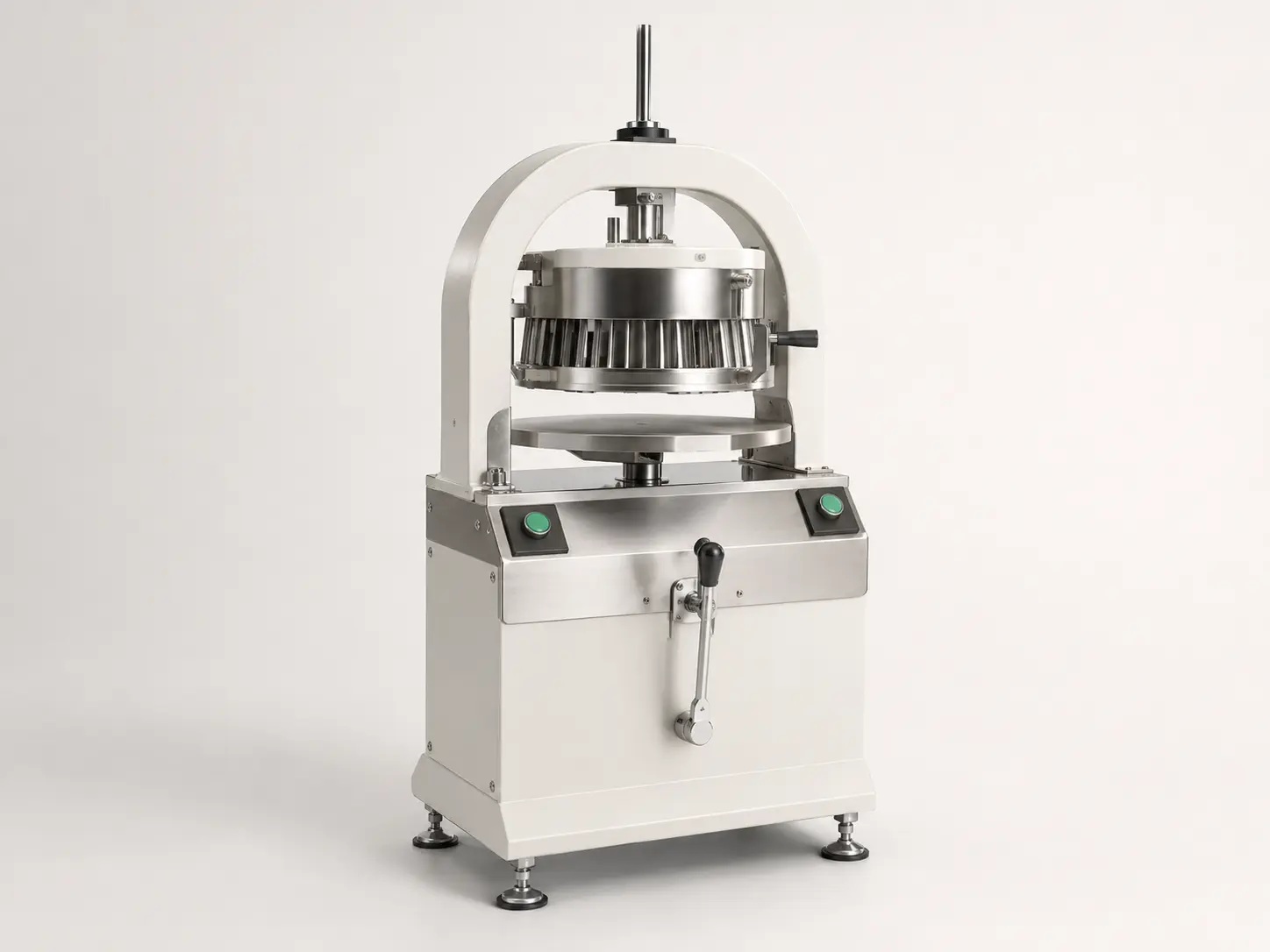
Bakery Equipment
Commercial Dough Divider & Rounder
Configure a commercial dough divider and rounder by dough, piece weight, pieces per cycle, head, automation, output basis, safety and electrical supply.
View Details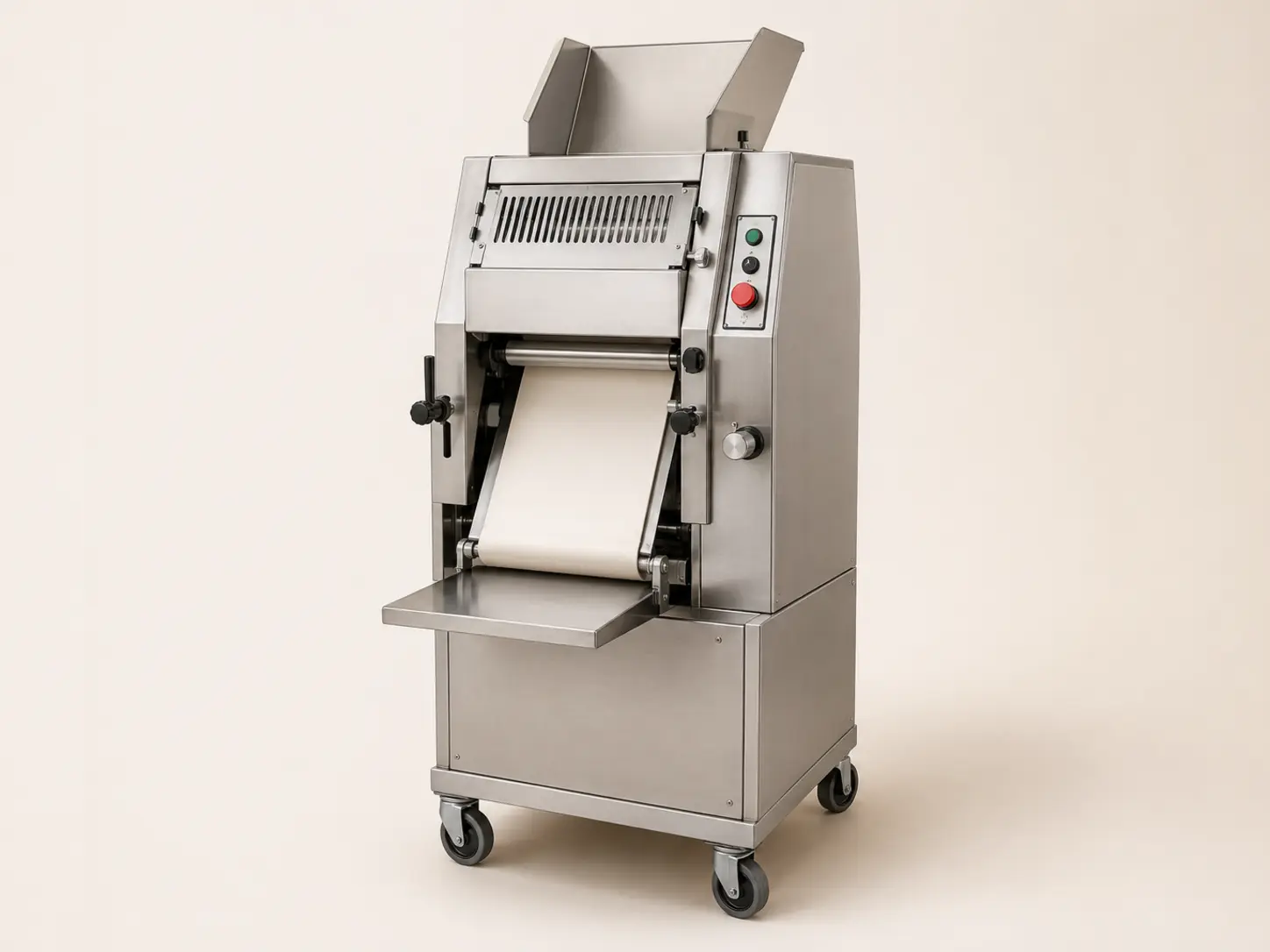
Bakery Equipment
Commercial Dough Moulder
Configure a commercial dough moulder by dough, piece weight, product shape, vertical or horizontal design, rollers, belts, output basis and line integration.
View Details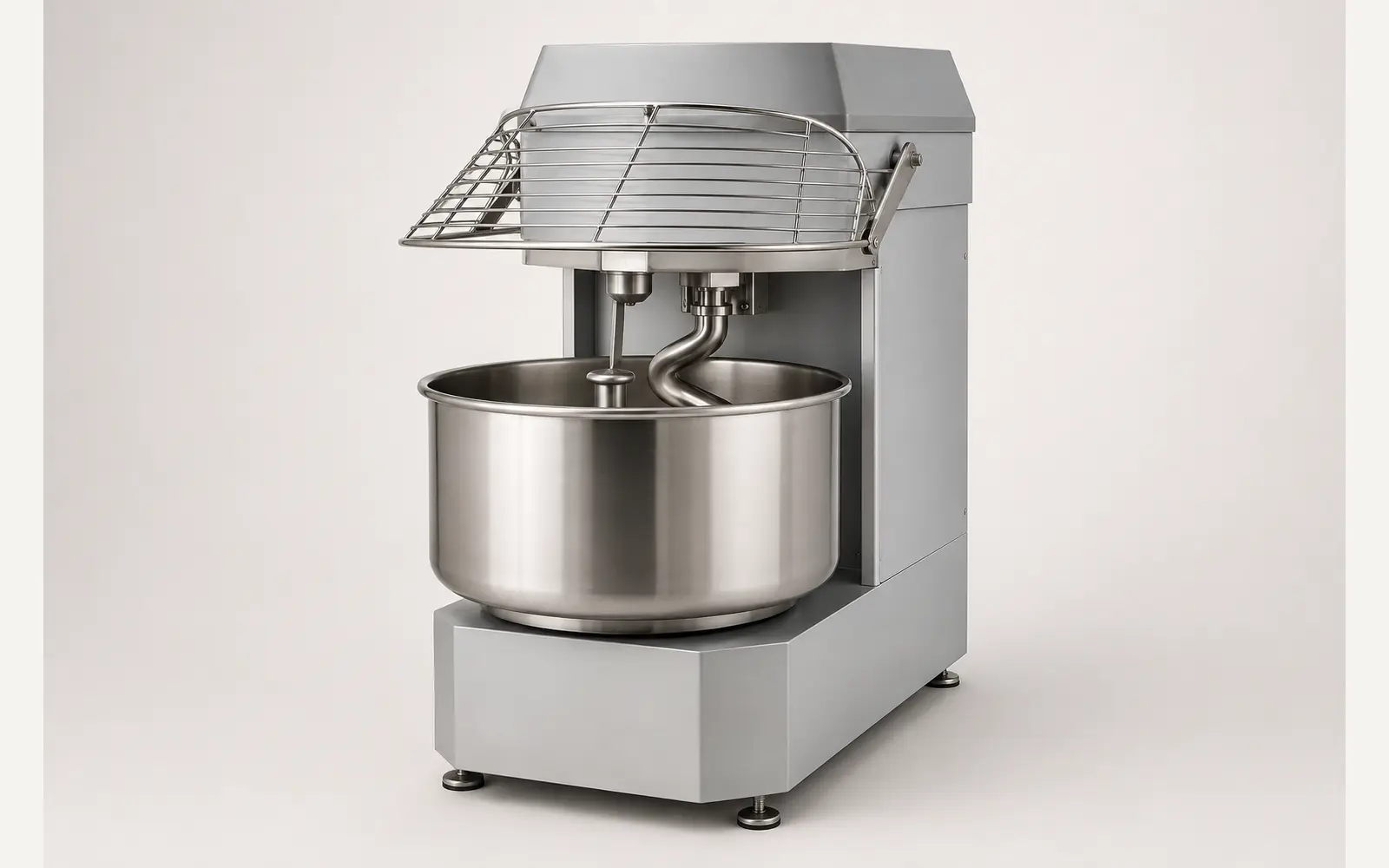
Bakery Equipment
Commercial Spiral Dough Mixer
Select a commercial spiral dough mixer by flour and dough batch, absorption ratio, bowl type, speed, timer, safety and electrical supply.
View Details