

Steam, Hot Air and Combination Cooking
Commercial Combi Oven
SourcePro commercial combi ovens combine controlled steam, circulated hot air and combination cooking in one professional platform. They can support roasting, steaming, baking, regeneration and low-temperature production while helping kitchens standardize repeatable programs across multiple GN-pan capacities. Electric and gas references, several control formats and tabletop or floor-standing sizes may be considered. The final capacity, steam-generation method, utilities, controls, cleaning functions and accessories are confirmed after the menu, production volume and installation conditions are reviewed.
Overview
Product Overview
A combi oven is a multifunction cooking platform for kitchens that need both dry heat and controlled moisture. It should be selected by GN format, batch profile, menu, desired control level, cleaning workflow, water quality, ventilation and available electric or gas utilities—not by tray count alone.
Key Features
Key Features
Electric or gas-heated configurations
Reference capacities from compact 1/2 GN units through 1/1 GN tabletop and larger floor units
Mechanical, electronic, computer-assisted and touchscreen control references
Steam, hot-air and combined cooking modes
Optional core probe, programmable cooking and automatic cleaning, subject to confirmation
Stand-mounted, stacked or floor-unit arrangements where the selected series permits
Applications
Where This Product Is Used
Hotels and resorts
restaurants
hospitals and care facilities
central kitchens
bakeries and production kitchens
schools and universities
banquet and event catering.
Buyer Benefits
Why Buyers Choose This Type
Three cooking approaches — steam, circulated hot air and combined heat with controlled moisture in one cavity.
Flexible production — supports batch cooking, roasting, steaming, baking and regeneration workflows.
GN-based capacity planning — tabletop and larger floor units can be reviewed around pan format and batch demand.
Electric or gas configurations — the energy source can be aligned with site capacity and project preference.
Control options — mechanical, electronic and touchscreen references allow different levels of programming and operator guidance.
Project-selected accessories — probes, stands, stacking, cleaning and water-treatment options are confirmed against the selected configuration.
Technical Data
Specifications
Reference Configuration
Energy source, GN capacity, control style, steam-generation method, cleaning package, probe, stand and stacking arrangement are configurations within one combi-oven family.
Reference Specifications / Configurations
Planning ranges only. Final values are confirmed for the selected project configuration.
| Display Group | Metric | Public Reference Wording | Buyer Confirmation Required |
|---|---|---|---|
| Capacity | GN-pan references | Directly evidenced configurations include 4 × 1/2 GN, 6 × 2/3 GN, 6 × 1/1 GN and 10 × 1/1 GN; international floor-unit context extends to 20 × 1/1 GN. | GN format; rail count; batch volume; product loading |
| Temperature | Steam mode | An official international reference shows approximately 30–130 °C for steam operation. The final operating range depends on the selected series. | Cooking process; low-temperature requirement; steam method |
| Temperature | Hot-air / combination mode | An official international reference shows approximately 30–300 °C for hot-air and combination operation. Confirm the selected series before publication as a fixed value. | Maximum recipe temperature; humidity range; selected controls |
| Electrical | Electric load and supply | Reference electric connected loads are approximately 4.8–37.2 kW, with 230 V single-phase through 380/400 V three-phase examples across different capacities. | Voltage; frequency; phase; capacity; simultaneous demand |
| Gas | Gas-heated examples | Cited 6 × 1/1 GN and 10 × 1/1 GN examples show approximately 12–20 kW heat load plus about 0.8 kW electrical load. Gas type, pressure and consumption require configuration confirmation. | Natural gas/LPG; pressure; heat input; electrical auxiliary load; certification |
| Controls | Control formats | Mechanical, electronic, computer-assisted and touchscreen references are available across the source family. Program storage, probe and cleaning functions must be confirmed per configuration. | Operator skill; programs; probe; cleaning; connectivity; language |
| Utilities | Water, drain and ventilation | A combi oven normally requires project review of water quality and pressure, drainage and ventilation or hood conditions; values are not standardized in the current source set. | Water quality/pressure; treatment; drain; hood; clearance |
The information shown is a reference configuration range for project planning. Final model, dimensions, capacity, power, voltage, gas type, utilities and options are confirmed after enquiry review and approved drawings.
Project Confirmation
Project Confirmation Checklist
GN format and rail count — 1/2 GN, 2/3 GN, 1/1 GN + rails
Meals per service and menu mix — Meals + key products + service window
Electric or gas preference — Electric / natural gas / LPG
Gas type, pressure and certification — Gas / pressure / destination code
Voltage, frequency, phase and available load — V / Hz / phase / kW or A
Steam-generation and humidity requirements — Direct injection / boiler-assisted / required modes
Control style and program requirements — Mechanical/electronic/touch + programs
Probe, cleaning, stacking and stand — Checklist
Water quality, pressure and treatment — Pressure / hardness / treatment
Drain route and temperature tolerance — Connection + route
Hood, ventilation and clearance conditions — Plan + local code
Door hinge, stand and service access — Left/right + dimensions
Commercial Combi Oven FAQ
What makes a commercial combi oven different?
A combi oven provides steam, circulated hot air and combination modes in one cavity, allowing the kitchen to control both temperature and moisture across a wider range of cooking and regeneration tasks.
Is a combi oven the same as a convection oven?
No. A convection oven primarily uses dry, fan-assisted hot air. A combi oven adds steam and controlled humidity. Choose according to the menu and required cooking methods, then confirm the selected equipment and utility requirements.
What capacity should I choose?
Choose the GN format and rail count from the menu, batch size, loading pattern, meal peaks and future production plan. A higher tray count does not automatically mean better fit if batches and utilities are mismatched.
Are electric and gas combi ovens both available?
Electric and gas references exist across the source family. The final choice depends on local energy capacity, gas type and pressure, electrical supply, ventilation, operating cost objectives and the selected oven size.
What temperature range can a combi oven provide?
An official international reference shows about 30–130 °C in steam mode and 30–300 °C in hot-air or combination modes. Confirm the operating range of the selected configuration before treating these as final values.
Does a combi oven need water, drainage and a hood?
Water quality and pressure, drainage and ventilation must all be reviewed. Hood requirements vary by appliance, cooking process and local code, so they should be confirmed for the destination and selected configuration.
Are automatic cleaning and core probes standard?
Not necessarily. Cleaning systems, probes, program storage and other control features vary by series and control package. Confirm which functions are standard, optional or unavailable before approval.
Product Inquiry
Select a combi oven around the menu and batch plan
Tell us the GN format, meals per service, menu mix, preferred energy source, control requirements and available water, drainage and ventilation. SourcePro will coordinate a reference configuration and utility checklist.
Request Cooking Equipment SelectionRelated Products
Related Commercial Cooking Equipment
Commercial Cooking Equipment
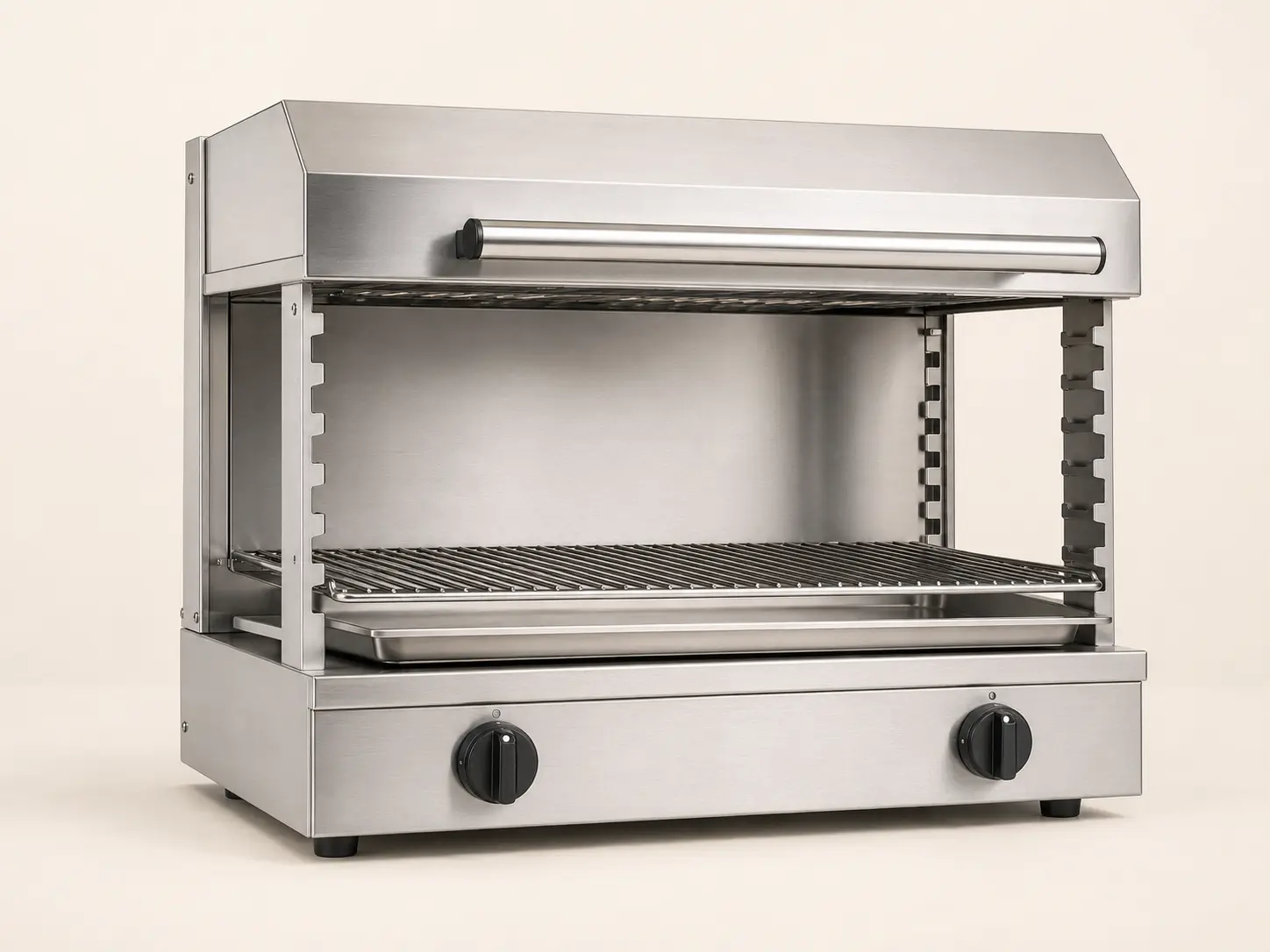
Commercial Salamander Grill
Configure a commercial salamander grill by energy, cooking area, lift or rack adjustment, heat zones, mounting, utilities and ventilation.
View Details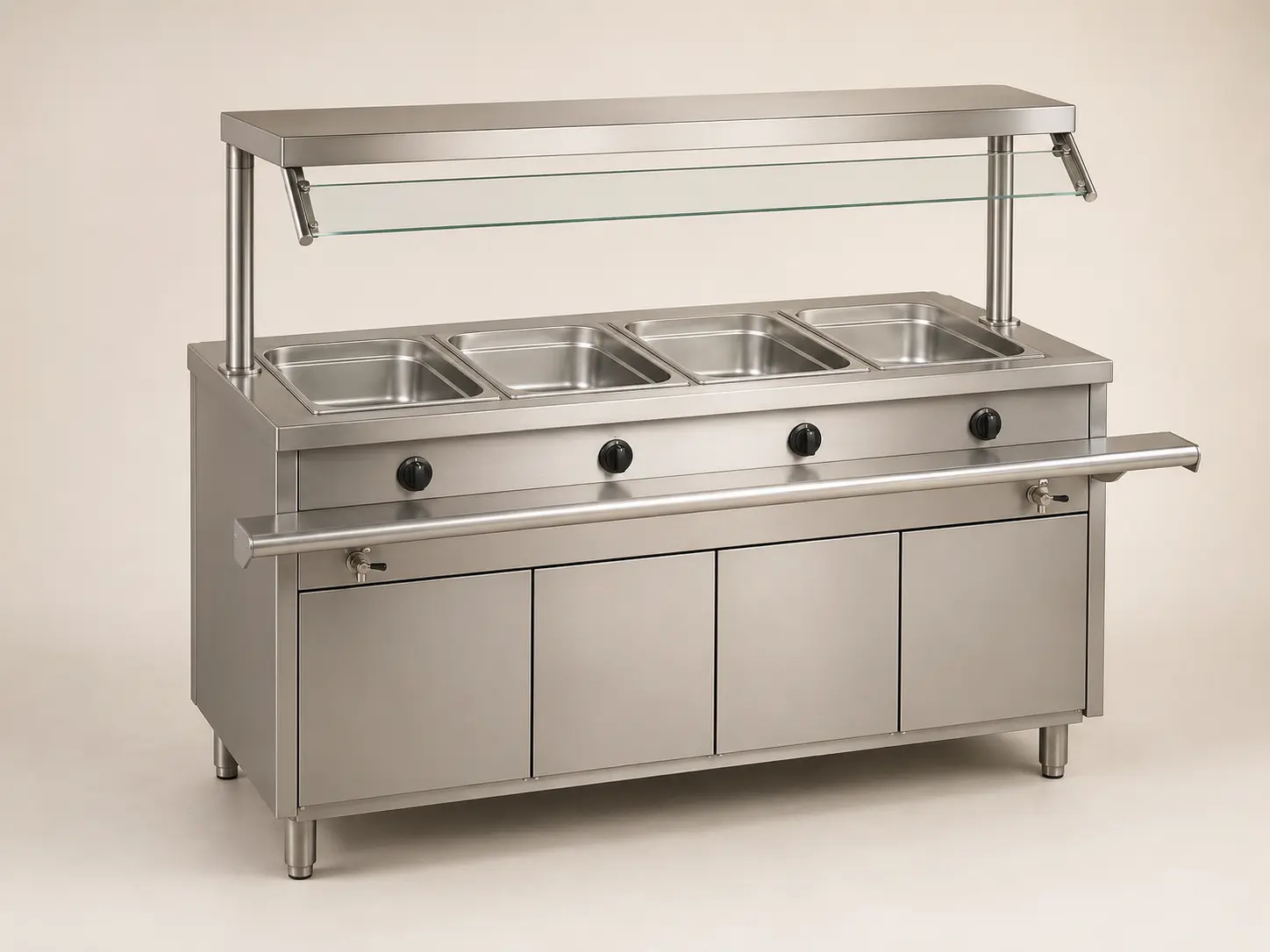
Commercial Cooking Equipment
Commercial Bain-Marie & Heated Serving Counter
Configure a commercial bain-marie by holding duty, pan standard, well count, wet or dry operation, controls, counter format and utilities.
View Details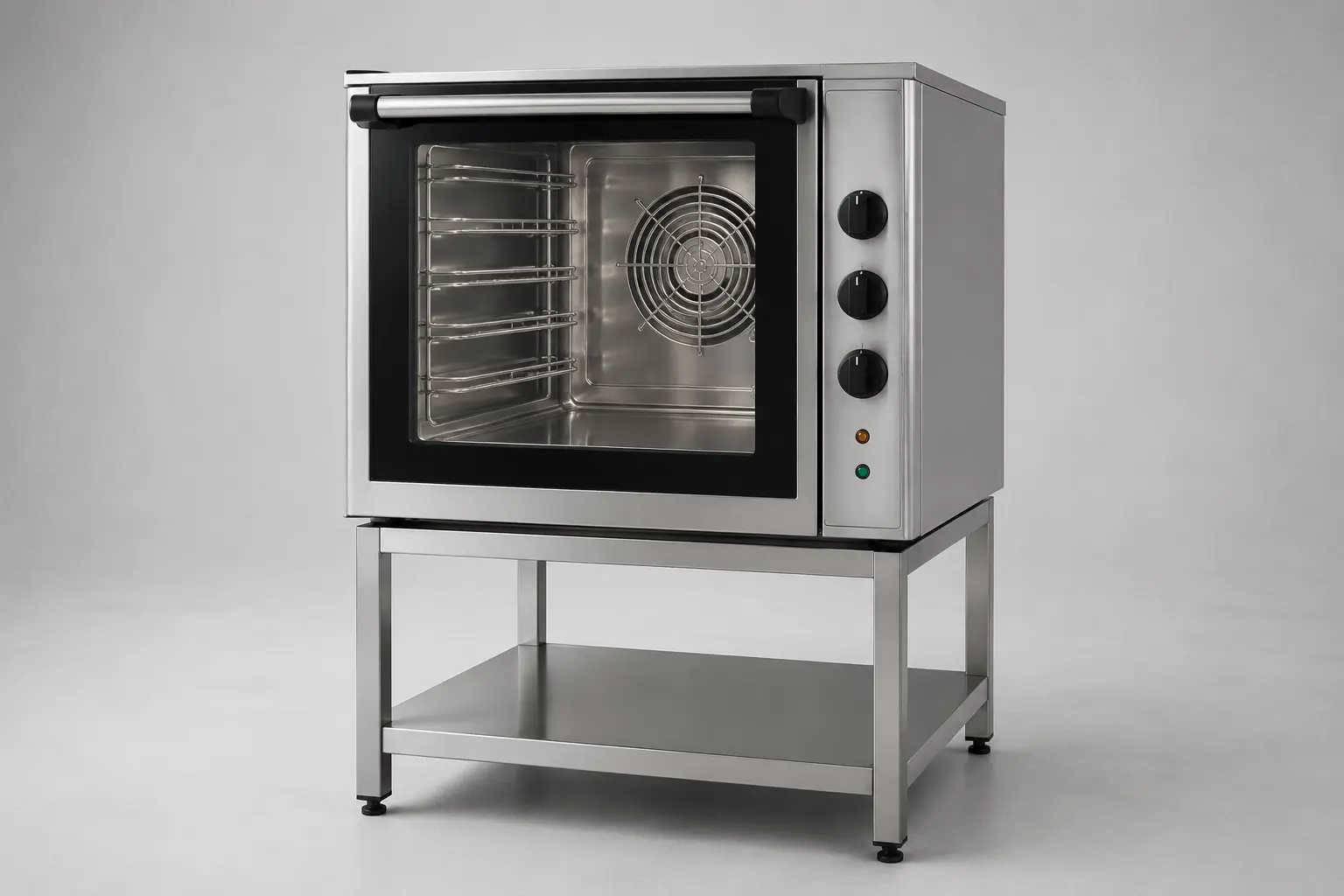
Commercial Cooking Equipment
Commercial Convection Oven
Dry, fan-assisted commercial convection ovens for baking, roasting, reheating and batch food production.
View Details