

Product Detail
Commercial Blast Chiller & Shock Freezer
Size a commercial blast chiller and shock freezer around the product load, starting and target core temperature, required cycle, tray format, daily duty and site conditions.
Overview
Product Overview
This family covers rapid chilling and shock-freezing equipment for restaurants, bakeries, catering, commissaries and central kitchens. Compact, upright, self-contained and remote-condensing formats remain configurations within one family. Chilling and freezing capacity is meaningful only with the product, load, start and target core temperature, cycle time and ambient test basis. Final refrigerant, charge, climate class, heat rejection, probe, tray spacing, electrical supply and destination compliance are confirmed for the selected series.
Key Features
Key Features
Rapid blast chilling and shock-freezing programs
Core-probe or timed cycle control by selected series
Compact five-tray and larger upright configurations
GN 1/1 or 600 × 400 tray formats where supported
Self-contained or remote condensing architecture
Defrost, condensate and non-stop workflow reviewed by project
Door seals, alarms, cleaning and destination compliance confirmed before release
Applications
Where This Product Is Used
Cook-chill and food-safety workflows
Bakery and pastry production
Catering and central kitchens
Restaurants, hotels and commissaries
Rapid freezing where the selected product and cycle are validated
Buyer Benefits
Why Buyers Choose This Type
Compact five-tray blast chiller
Larger upright multi-tray cabinet
Blast chill and shock-freeze programs
GN 1/1 or 600 × 400 tray format
Single or multiple core probes
Self-contained condensing unit
Remote condensing arrangement subject to project review
Technical Data
Specifications
Reference Configuration
One qualified official compact example lists five trays, 20 kg per cycle and about 670 × 700 × 832 mm, with program targets including +3°C chilling and -18°C freezing. The starting core temperature, cycle time, product and ambient basis must remain attached to any public capacity statement.
Configuration Options
Compact five-tray blast chiller; Larger upright multi-tray cabinet; Blast chill and shock-freeze programs; GN 1/1 or 600 × 400 tray format; Single or multiple core probes; Self-contained condensing unit; Remote condensing arrangement subject to project review
Reference Specifications
One qualified official compact example lists five trays, 20 kg per cycle and about 670 × 700 × 832 mm, with program targets including +3°C chilling and -18°C freezing. The starting core temperature, cycle time, product and ambient basis must remain attached to any public capacity statement.
| Reference configuration | Qualified reference example |
|---|---|
| Official compact blast-chiller example | Five trays; 20 kg/cycle; about 670 × 700 × 832 mm; program targets include +3°C and -18°C — Always retain start/target core temperature, time, product and ambient basis |
| Official larger multi-tray architecture | Upright multi-tray, probe, non-stop, defrost and remote/self-contained arrangements vary by series — Feature architecture only |
Reference configurations are not fixed SourcePro promises. Final model, capacity, dimensions, power, utilities, safety and compliance are confirmed after inquiry and technical review.
Project Confirmation
What We Confirm for Your Project
Food product, packaging and batch loading pattern
Batch kg and number of trays
Starting and target core temperature
Required cycle time and daily cycles
GN or bakery tray dimensions and spacing
Probe count, program, defrost and data-recording needs
Ambient, ventilation, heat rejection, refrigerant, condensate and electrical supply
Commercial Blast Chiller & Shock Freezer FAQ
What is the difference between blast chilling and shock freezing?
Blast chilling rapidly lowers food to a chilled target, while shock freezing continues to a frozen core target. The required cycle and refrigeration load differ.
Does a 20 kg cycle apply to every product?
No. Capacity must retain the product, loading pattern, starting core temperature, target core temperature, cycle time and ambient test basis.
Can I use GN and bakery trays?
Selected series may support GN 1/1 or 600 × 400 formats. Confirm tray dimensions, spacing, airflow and load before ordering.
Is a core probe required?
A probe is commonly used for product-core control, but the number, type and program logic vary. Time-based cycles may also be available.
Which site details are required?
Confirm ambient, ventilation, heat rejection, condensate, refrigerant, voltage, phase, frequency, tray workflow and destination compliance.
Product Inquiry
Size Your Blast Chiller
Send the product, batch load, start and target core temperature, required cycle, tray format and site ambient. SourcePro will prepare a qualified cooling configuration for technical review.
Request Refrigeration SelectionRelated Products
Related Refrigeration Equipment
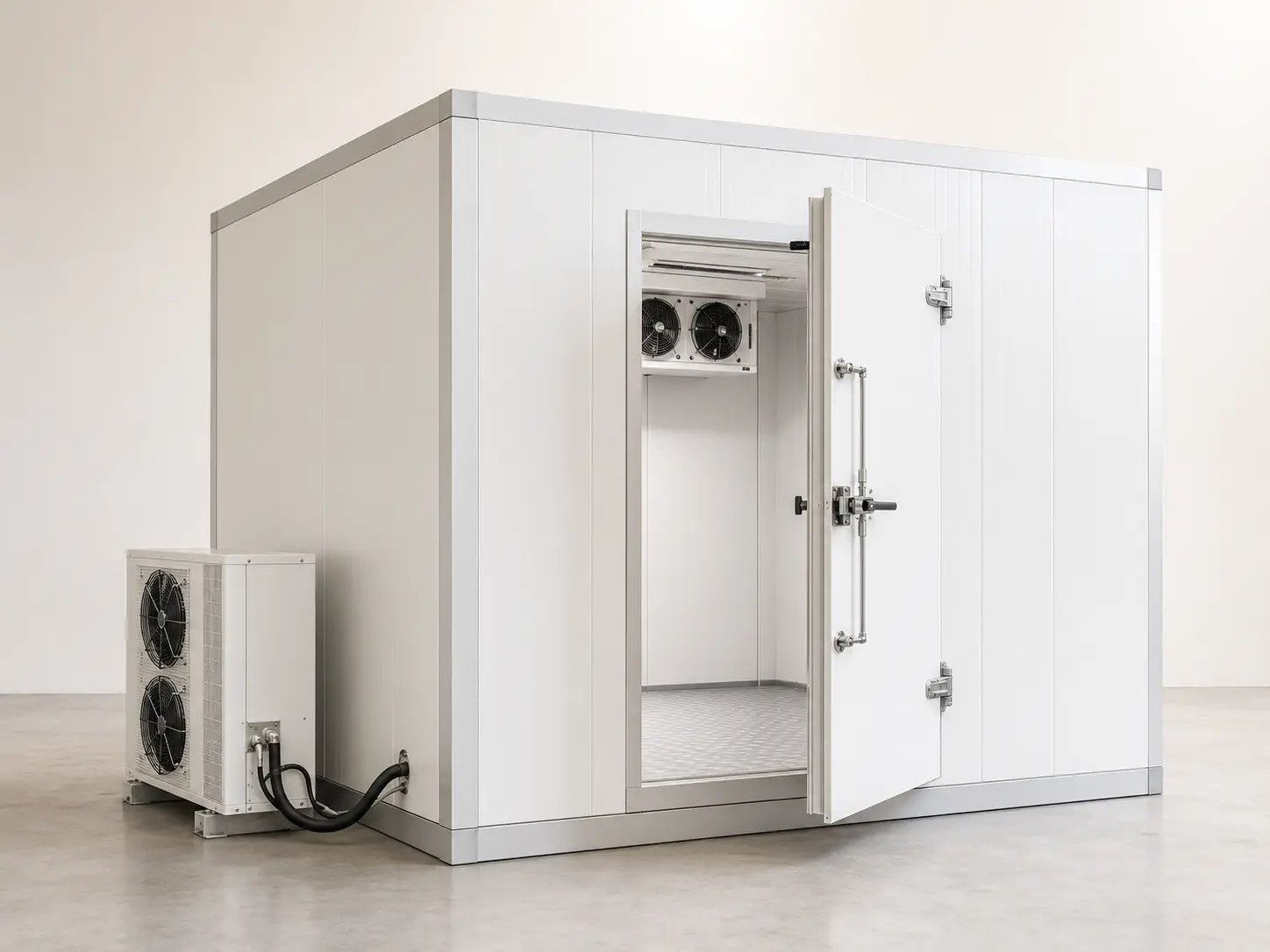
Commercial Refrigeration Equipment
Commercial Modular Cold Room
Plan a modular commercial cold room by room size, product load, temperature, door traffic, insulated panels, floor, refrigeration and local compliance.
View Details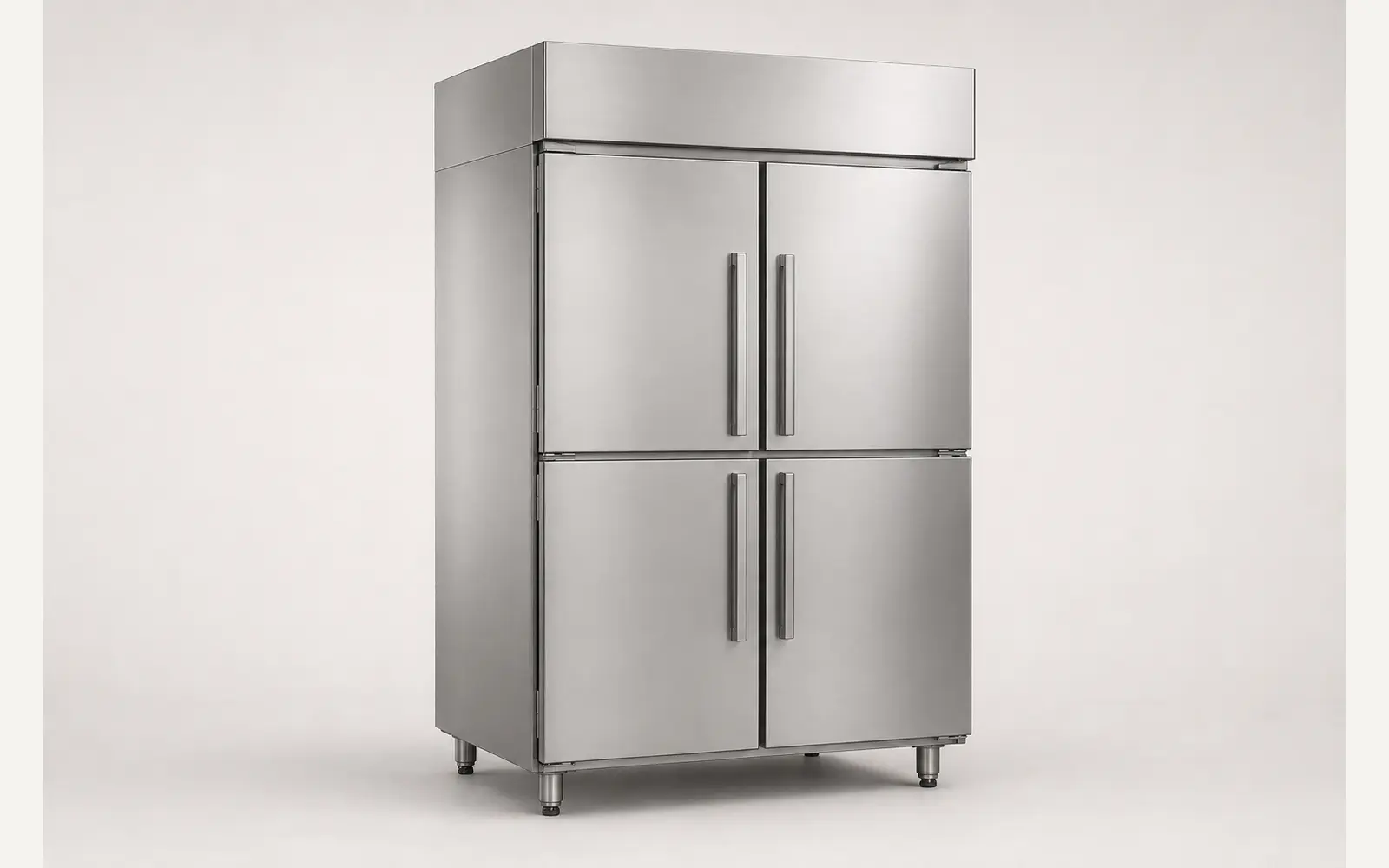
Commercial Refrigeration Equipment
Commercial Upright Refrigerator & Freezer
Configure a commercial upright refrigerator or freezer by temperature zone, doors, storage format, ambient duty, refrigerant and electrical supply.
View Details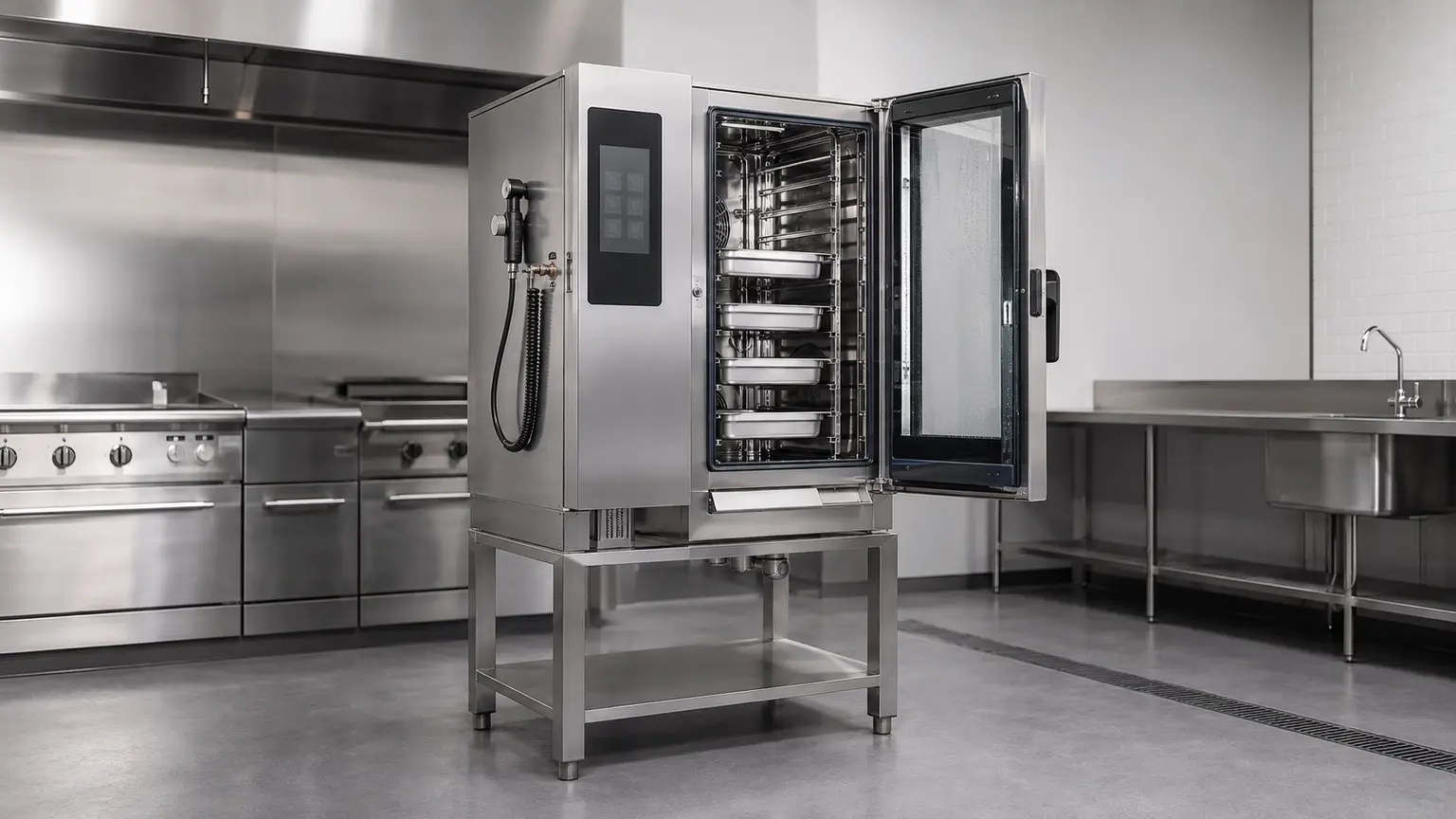
Commercial Cooking Equipment
Commercial Combi Oven
Compare commercial combi ovens by GN capacity, steam and hot-air modes, electric or gas utilities, controls, cleaning and project requirements.
View Details