

Product Detail
Commercial Mixer-Grinder
Select a commercial mixer-grinder around the meat or filling product, batch size, mix uniformity, grind plate, output basis, sanitation and utilities.
Overview
Product Overview
Mixer-grinders combine batch mixing and grinding in one food-processing workflow. Their large guarded hopper, agitator, independent mix and grind drives and grinder end distinguish them from the existing grinder-only family. Hopper, plate, knife, motor, foot control and optional side feed remain configurations within one canonical. Final output depends on product temperature, fresh or frozen content, plate, first or second grind and loading method and must be confirmed against the selected test basis.
Key Features
Key Features
Combined mixing and grinding in one guarded machine
Large stainless mixing hopper with horizontal agitator
Independent mix and grind motor architecture
Commercial grinder end with selected plate and knife
Foot control and optional side-feed arrangements where supported
Fresh or mixed fresh/frozen capability only after supplier confirmation
Tool-free sanitation access, interlocks and floor loading reviewed before release
Applications
Where This Product Is Used
Butcher shops and meat rooms
Central kitchens and commissaries
Sausage and prepared-meat production
Mixed meat or filling preparation
Fresh or partially frozen workflows validated with the selected drive
Buyer Benefits
Why Buyers Choose This Type
Alternative hopper capacities
Selected grinder plate, knife and grind size
Independent mix and grind motor classes
Pneumatic or electrical foot control
Optional side-feed or downstream transfer
Fresh or mixed fresh/frozen duty after testing
Voltage, phase, guarding and sanitation package
Technical Data
Specifications
Reference Configuration
Separate current official examples list 140–200 lb (64–91 kg) hopper capacity, 50–60 lb/min (23–27 kg/min) at a stated 1/8-in plate, 5–7.5 hp grind motors and a 1 hp mix motor. Output remains tied to product condition, plate and grind basis and is not a universal promise.
Configuration Options
Alternative hopper capacities; Selected grinder plate, knife and grind size; Independent mix and grind motor classes; Pneumatic or electrical foot control; Optional side-feed or downstream transfer; Fresh or mixed fresh/frozen duty after testing; Voltage, phase, guarding and sanitation package
Reference Specifications
Separate current official examples list 140–200 lb (64–91 kg) hopper capacity, 50–60 lb/min (23–27 kg/min) at a stated 1/8-in plate, 5–7.5 hp grind motors and a 1 hp mix motor. Output remains tied to product condition, plate and grind basis and is not a universal promise.
| Reference configuration | Qualified reference example |
|---|---|
| Current official mixer-grinder family | 140–200 lb hopper; 50–60 lb/min at 1/8-in plate; 5–7.5 hp grind plus 1 hp mix motor on separate examples — State product condition, plate and grind basis; no universal output (source confirmation required) |
Reference configurations are not fixed SourcePro promises. Final model, capacity, dimensions, power, utilities, safety and compliance are confirmed after inquiry and technical review.
Project Confirmation
What We Confirm for Your Project
Product type, temperature and fresh/chilled/frozen proportion
Batch size, hopper loading height and hourly requirement
Mix time, uniformity target and sequence
Plate, knife, grind size and first/second-grind basis
Discharge, side-feed, foot-control and downstream handling
Motor power, voltage, phase, floor loading and access
Guarding, interlocks, disassembly, sanitation and destination compliance
Commercial Mixer-Grinder FAQ
How is a mixer-grinder different from a meat grinder?
A mixer-grinder combines batch mixing and grinding in one guarded hopper. A meat grinder performs grinding without the same mixing workflow.
Can it process partially frozen product?
Selected drives may support mixed fresh and frozen applications, but product temperature, frozen proportion, plate and motor must be confirmed.
Is output the same for every grinding plate?
No. Output varies with product condition, plate opening, knife, first or second grind and feeding method. Published examples retain their test basis.
Can mixing and grinding use separate controls?
Commercial mixer-grinders commonly use separate mix and grind drives or controls. The selected sequence and interlocks are confirmed during configuration.
What sanitation details should be reviewed?
Confirm food-contact materials, removable parts, tool requirements, drainability, guard interlocks, cleaning access and the site's sanitation procedure.
Product Inquiry
Configure Your Mixer-Grinder
Share the product temperature and fresh/frozen mix, batch size, mix time, grind plate, hourly target and test basis, sanitation workflow and site power. SourcePro will align a qualified configuration for review.
Configure Your Mixer-GrinderRelated Products
Related Food Preparation
Food Preparation
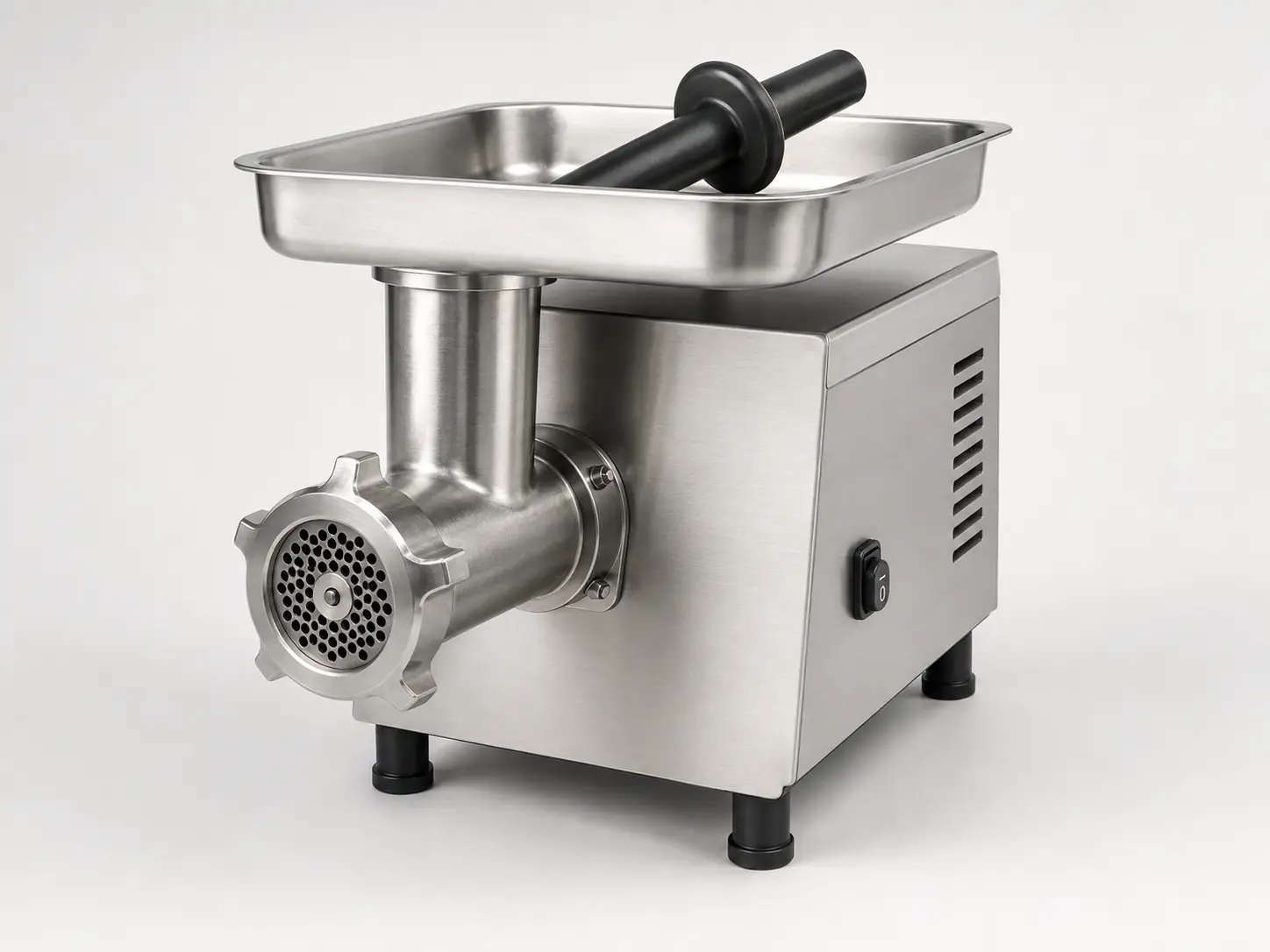
Commercial Meat Grinder
Configure a commercial meat grinder by product condition, first or second grind, plate, head class, output basis, installation and sanitation needs.
View Details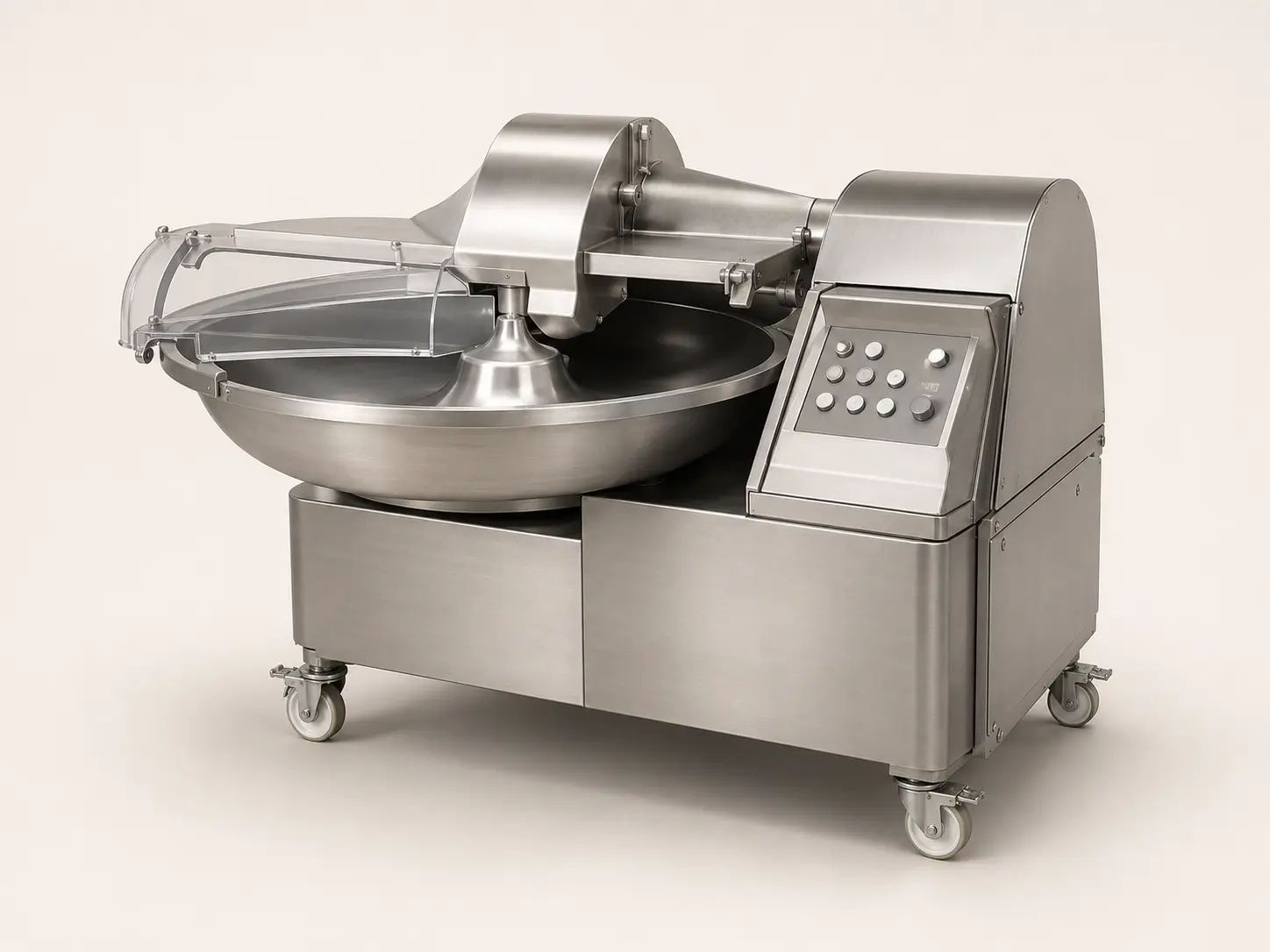
Food Preparation
Commercial Bowl Cutter
Configure a commercial bowl cutter by product, batch, texture, bowl architecture, usable fill, blade and bowl speed, temperature control, safety and power.
View Details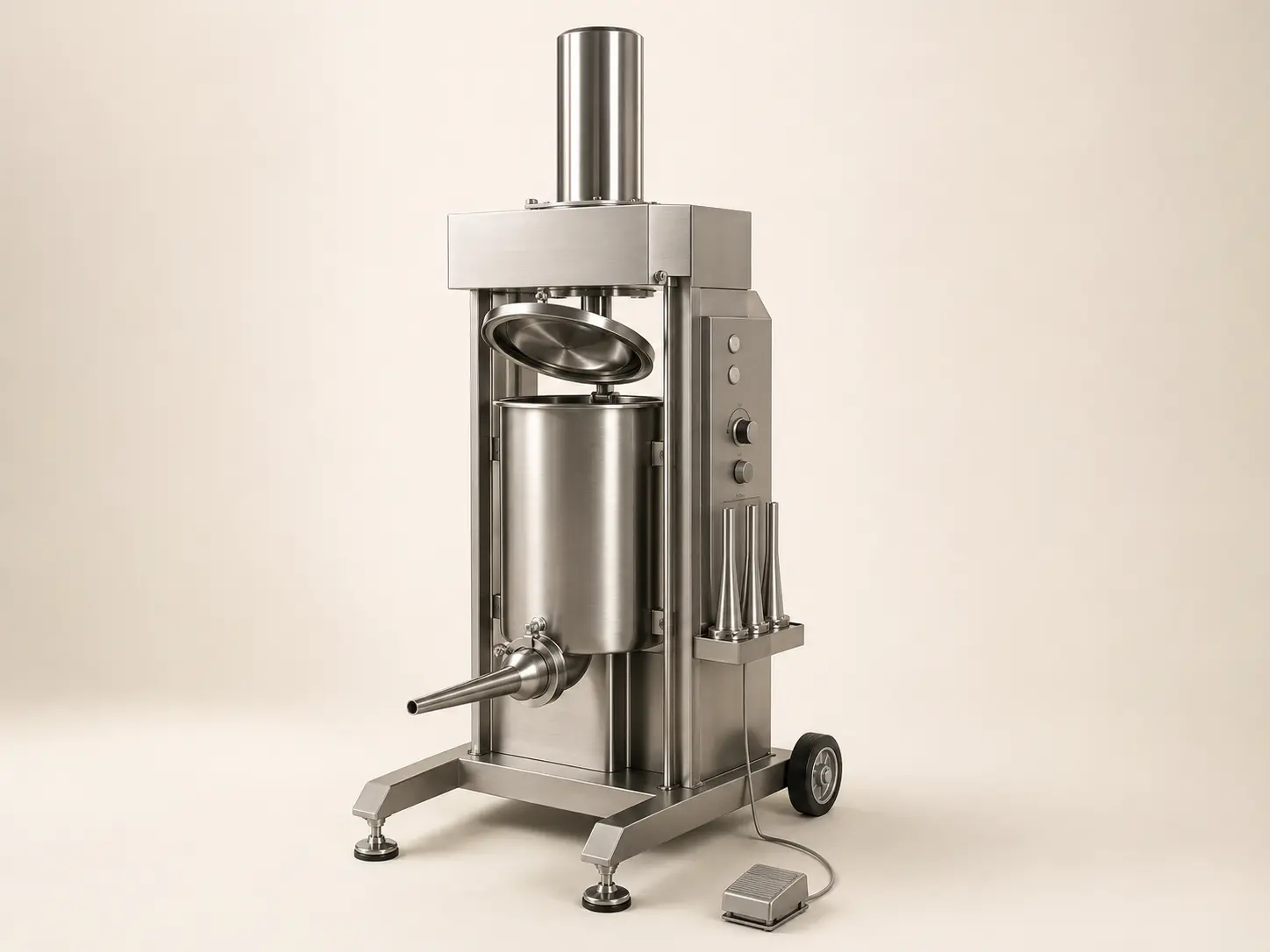
Food Preparation
Commercial Sausage Stuffer
Configure a commercial sausage stuffer by product, casing, batch, cylinder, hydraulic orientation, nozzle, filling control, sanitation, safety and utilities.
View Details