

PROJECT-CONFIGURED EXHAUST & MAKE-UP AIR
Commercial Compensating-Air Exhaust Hood
SourcePro coordinates compensating-air exhaust hood systems around the required exhaust volume, replacement-air strategy, room pressure, outdoor conditions, capture zone and kitchen comfort. Front, rear or split supply-air arrangements can be reviewed together with the hood, fan, controls and optional air treatment.
Overview
Product Overview
Removing kitchen exhaust without a planned replacement-air path can create negative pressure, unstable capture, door problems and uncomfortable drafts. A compensating-air hood therefore needs both exhaust and supply design. The supply location, discharge velocity, air temperature, interlocks, building HVAC and appliance plume must be assessed together rather than applying a universal supply-air percentage.
Key Features
Key Features
Wall or island hood formats with coordinated make-up air
Front perforated, back-supply and split-supply plenum options
Tempered or untempered replacement-air paths by project
Exhaust/supply interlock, dampers and VFD options
Integration with dedicated make-up-air or building HVAC systems
Stainless plenums and removable diffuser sections
Applications
Where This Product Is Used
High-exhaust restaurant and hotel kitchens
Air-conditioned or tightly sealed buildings
Kitchens with room-pressure or door-operation problems
Replacement projects with limited existing make-up air
Central kitchens and large production lines
Buyer Benefits
Why Buyers Choose This Type
Treats exhaust and replacement air as one engineered system
Helps stabilise room pressure and hood capture
Multiple supply patterns support different ceiling and line layouts
Coordinated controls simplify start-up and system balancing
Technical Data
Specifications
Reference Configuration
Wall canopy with front perforated supply; wall hood with back-supply plenum; split-supply hood; island hood with low-velocity supply; separate tempered make-up-air unit.
Reference Specifications / Configurations
Planning ranges only. Final values are confirmed for the selected project configuration.
| Configuration | Installation / Service | Length / Width mm | Depth mm | Height mm | Airflow / Capacity | Motor / Electrical Input | Voltage / Frequency | Static Pressure / Controls | Filtration / Drain | Material Reference | Confidence | Public Status |
|---|---|---|---|---|---|---|---|---|---|---|---|---|
| Wall hood with front/perforated supply | Tempered make-up air near capture zone | 1000–4200 | 1100–1700 | 500–750 | Exhaust and supply engineered together | Supply fan/heater/cooler selected separately | Project-specific 50/60 Hz options | Interlocked exhaust/supply; dampers/VFD | Grease filters plus supply plenum | 430 or 300-series stainless plenum common | Medium | Reference only |
| Wall/island hood with back or split supply | Low-velocity rear/split discharge | 1000–4200 | 1200–2400 | 500–800 | Supply and exhaust project-balanced | Separate make-up-air unit may be conditioned | Project-specific | Temperature control and balancing dampers | Grease filters; removable supply diffusers | Stainless plenum/hood; finish confirmed | Medium | Reference only |
No fixed exhaust-to-supply ratio is published. Final exhaust and make-up-air quantities, discharge velocities, heating/cooling duty, controls, dimensions and compliance are calculated and confirmed for the specific building and cooking line.
Project Confirmation
Project Confirmation Checklist
Appliance schedule
Calculated exhaust
Room air balance
HVAC supply/extract
Outdoor design conditions
Supply-air location and temperature
Electrical/gas heating utilities
Control sequence
Noise target
Local code and destination
Commercial Compensating-Air Exhaust Hood FAQ
What is a compensating-air exhaust hood?
It is a kitchen exhaust hood coordinated with a controlled replacement-air path, such as a front, back or split supply plenum, to support capture and room-pressure balance.
How much make-up air should be supplied through the hood?
There is no universal percentage. The quantity and discharge pattern depend on exhaust volume, room HVAC, outdoor conditions, capture stability, comfort and local requirements.
Can the make-up air be heated or cooled?
Yes. Tempered make-up air can be reviewed using a dedicated unit or building system. Heating or cooling duty and controls are calculated for the project.
Product Inquiry
Request Ventilation System Selection
Share the appliance schedule, kitchen layout, available hood space, duct route, make-up air plan, electrical supply, treatment objective, quantity and destination country. SourcePro will review the requirements and coordinate the next ventilation-system selection steps.
Request Ventilation System SelectionRelated Products
Related Ventilation Equipment
Commercial Kitchen Ventilation Equipment
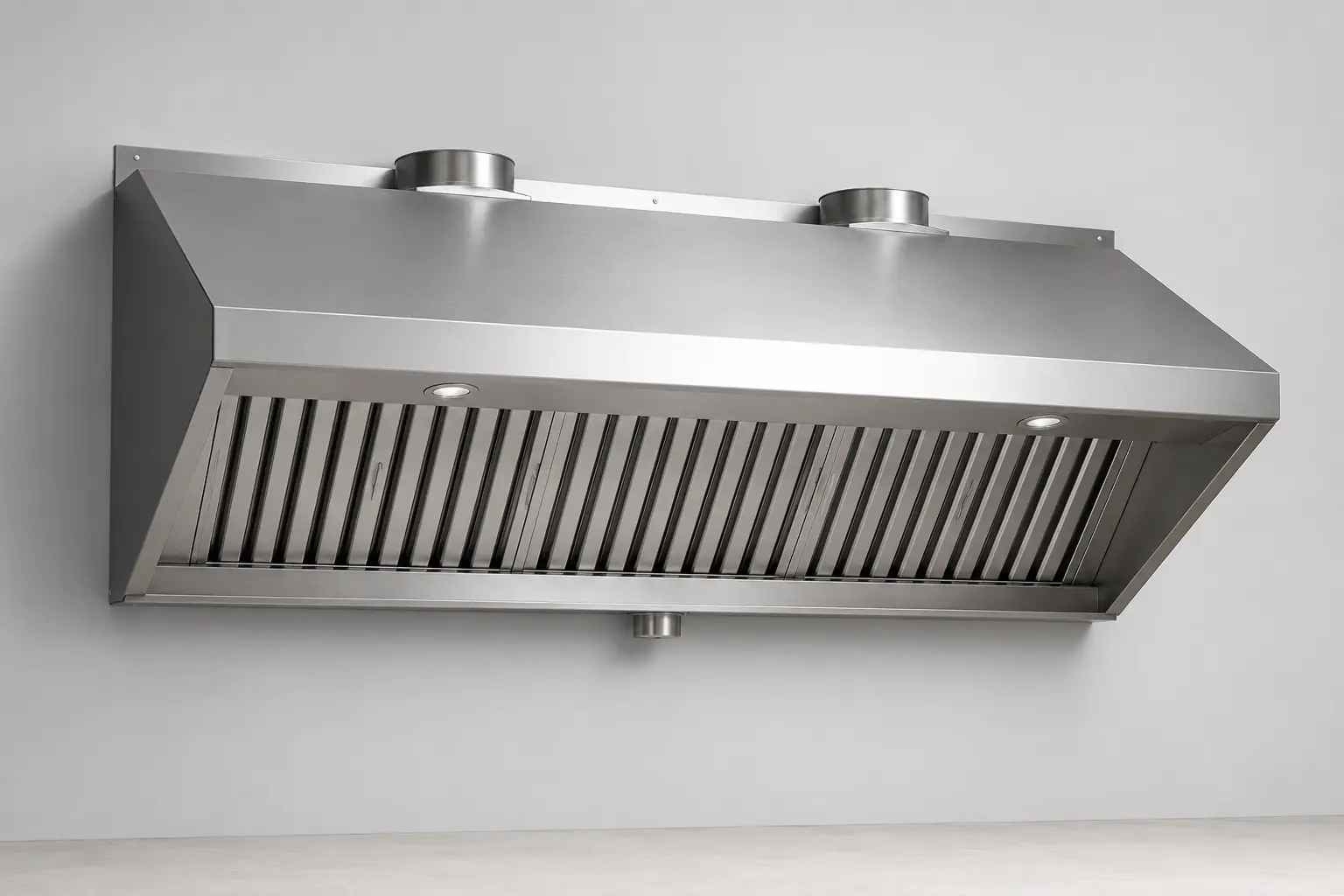
Commercial Wall-Mounted Exhaust Hood
Wall-canopy exhaust hood configurations for commercial cooking lines installed against a wall.
View Details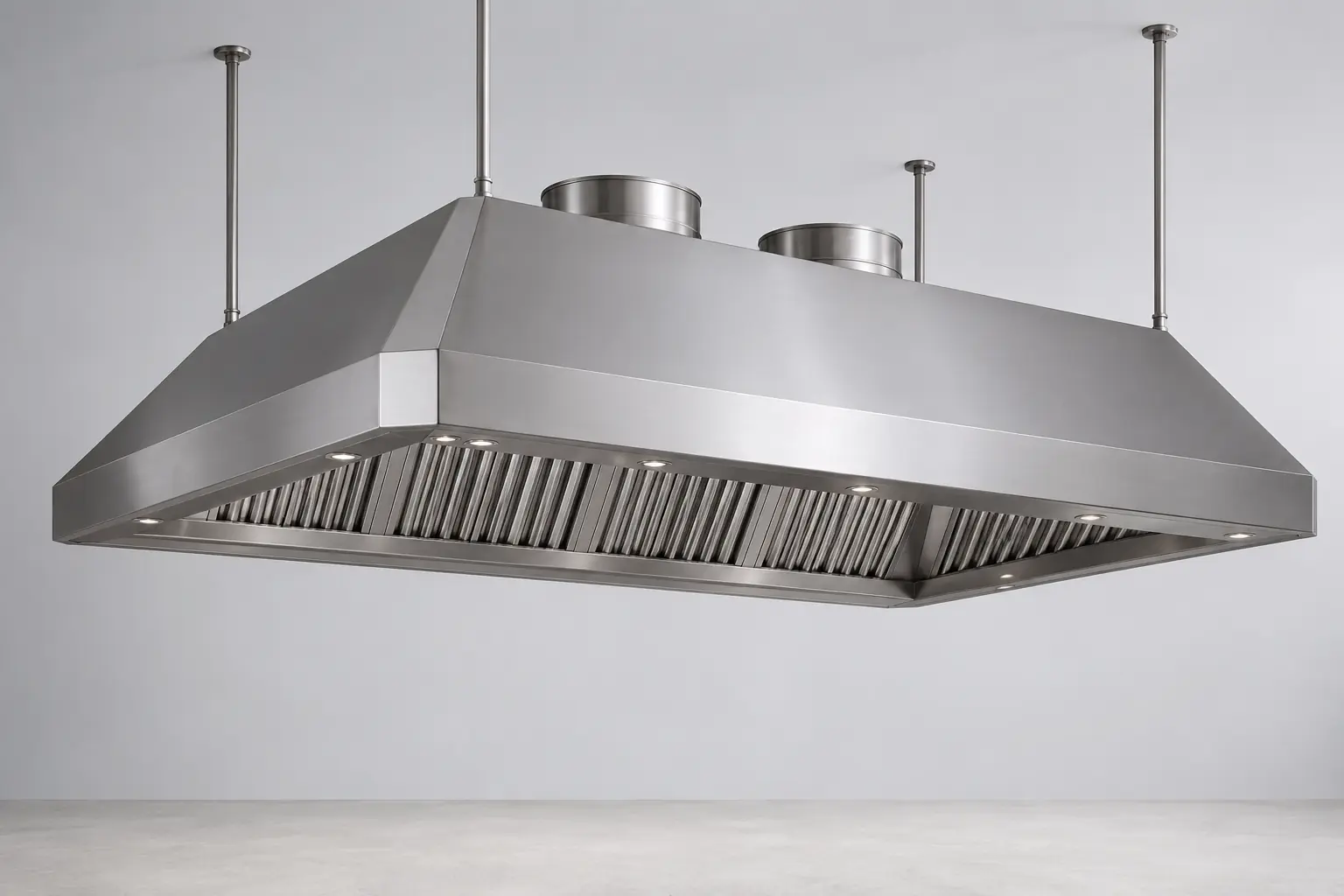
Commercial Kitchen Ventilation Equipment
Commercial Island Exhaust Hood
Four-sided exhaust hood configurations for open, island and display cooking arrangements.
View Details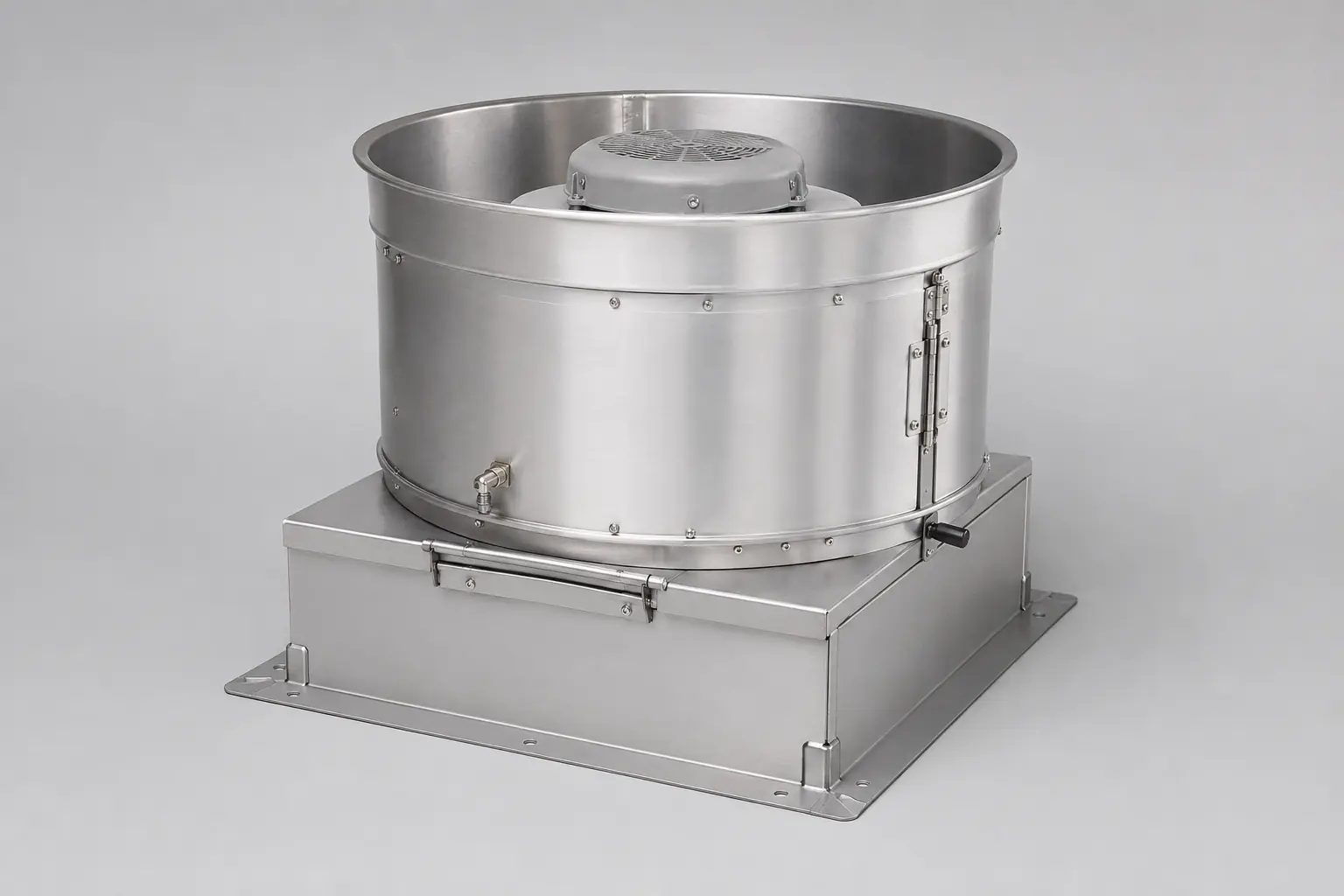
Commercial Kitchen Ventilation Equipment
Commercial Kitchen Exhaust Fan
Centrifugal exhaust fan configurations selected by airflow, static pressure, grease duty and installation location.
View Details